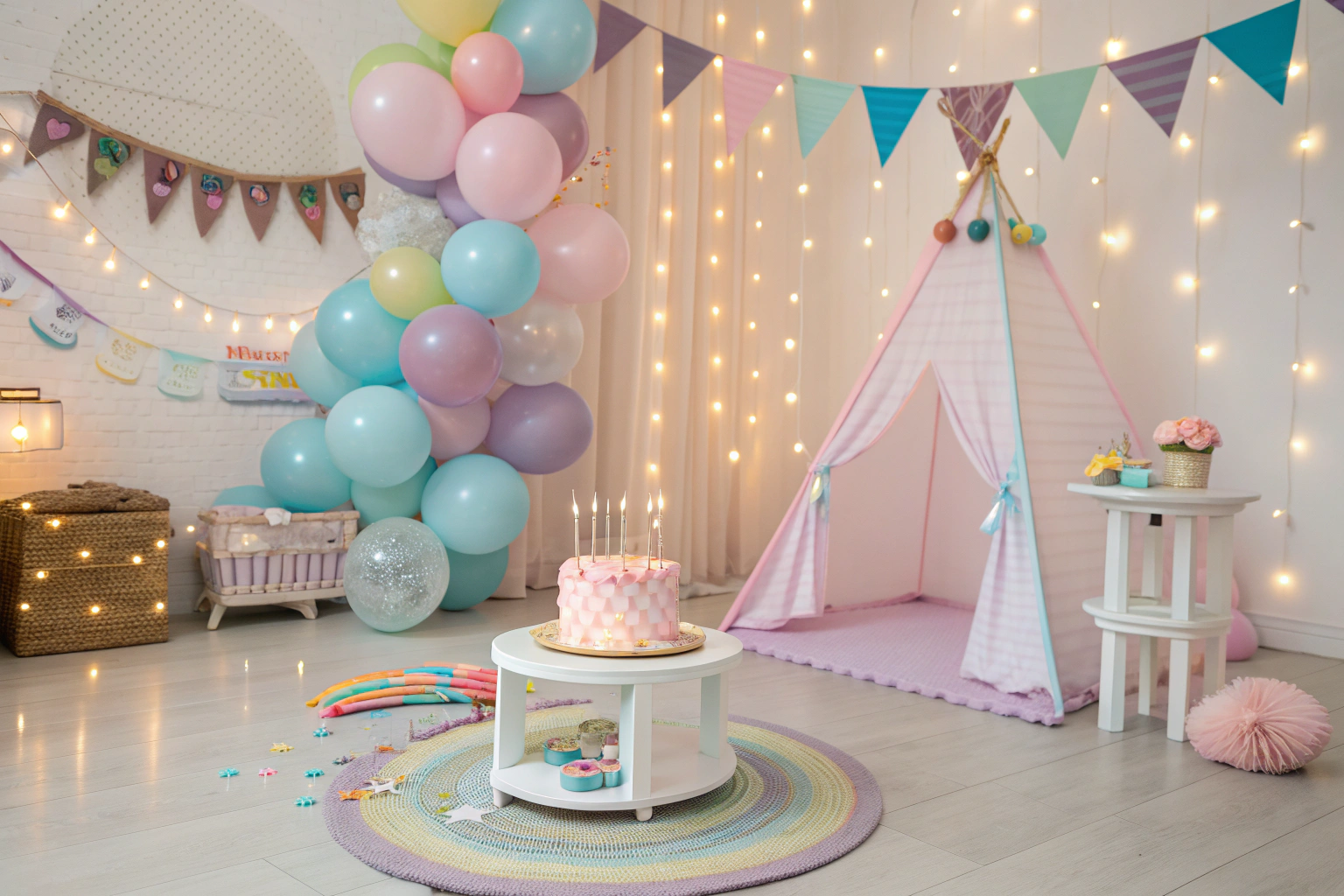
Finding 3 year old birthday party ideas involves choosing themes and activities that delight toddlers while keeping them safe and engaged. At this age, parties should be short and simple to prevent overstimulation and match their limited attention spans. Key concerns for parents often include managing a group of energetic toddlers and finding affordable ideas that are genuinely fun for a three-year-old, not just adults. A successful party focuses on interactive, sensory play in a familiar environment.
Key Benefits at a Glance
- Keeps Toddlers Engaged: Provides simple, hands-on activities like bubble stations, a toy wash, or a craft corner that hold a three-year-old’s attention.
- Reduces Parent Stress: Offers low-prep, affordable themes that are easy to execute at home or in a park, minimizing cleanup and organizational effort.
- Ensures Guest Safety: Focuses on age-appropriate games and food, avoiding small parts, choking hazards, and overly complex rules that can lead to frustration or injury.
- Manages Overstimulation: Recommends a short party duration (90 minutes to 2 hours) and a small guest list to keep the birthday child from feeling overwhelmed.
- Creates Lasting Memories: Helps you focus on celebrating your child with fun, memorable moments rather than worrying about extravagant or unnecessary details.
Purpose of this guide
This guide helps parents and caregivers discover simple yet memorable party ideas for a three-year-old’s birthday. It solves the challenge of finding age-appropriate themes and activities that cater to the unique needs of toddlers, who have short attention spans and high energy. You’ll learn how to plan a fun, low-stress event with step-by-step suggestions for popular themes like a construction zone, animal safari, or art party. The goal is to help you avoid common pitfalls, such as planning overly long parties or complicated games, ensuring a celebration that is joyful for your child and manageable for you.
25 magical 3 year old birthday party ideas
As a professional event planner with over a decade of experience specializing in children’s parties, I’ve witnessed countless celebrations that range from magical memories to complete meltdowns. The difference often lies in understanding the unique developmental needs of each age group. Three-year-olds occupy a fascinating developmental sweet spot where they’re beginning to engage socially while still requiring significant structure and support. Throughout this guide, I’ll share insights from planning hundreds of successful 3-year-old birthday parties, helping you create an unforgettable celebration that truly honors your child’s developmental stage.
Understanding 3 year olds
Planning a successful party for a 3-year-old requires a deep understanding of their developmental stage. At three years old, children are experiencing rapid cognitive, social, and emotional growth that directly impacts how they interact with party environments. Their attention spans typically last 10-15 minutes for structured activities, which means traditional hour-long party games simply won’t work. They’re also developing independence while still needing significant adult guidance and support.
- Attention spans are 10-15 minutes maximum
- Independence is emerging but supervision is critical
- Social skills are developing – expect some conflicts
- Routine and predictability reduce anxiety
- Overstimulation leads to meltdowns quickly
Three-year-olds are beginning to engage in cooperative play but often revert to parallel play when overwhelmed. They’re learning to share but may struggle with turn-taking, especially in exciting party environments. Their emotional regulation is still developing, making them prone to big feelings when tired, hungry, or overstimulated. Understanding these developmental characteristics allows you to design experiences that work with their natural tendencies rather than against them.
| Age Group | Attention Span | Ideal Activity Duration | Social Skills | Supervision Needs |
|---|---|---|---|---|
| 2-year-olds | 5-10 minutes | 5-8 minutes | Parallel play | 1:2 ratio |
| 3-year-olds | 10-15 minutes | 10-12 minutes | Beginning group play | 1:3 ratio |
| 4-year-olds | 15-20 minutes | 15-18 minutes | Cooperative play | 1:4 ratio |
The key to successful 3-year-old parties lies in creating predictable structure within flexible frameworks. These children thrive when they know what to expect but need the freedom to explore and engage at their own pace. They respond well to visual cues, simple instructions, and plenty of positive reinforcement.
What makes a great 3 year old birthday party
The formula for a successful 3-year-old birthday party differs significantly from parties for older children. Based on my professional experience, the most successful celebrations follow specific guidelines that honor the developmental needs of this age group. The optimal party duration is 1.5 to 2 hours, which provides enough time for meaningful activities without overwhelming young attention spans.
| Party Element | Recommended Specification | Why It Matters |
|---|---|---|
| Duration | 1.5-2 hours | Prevents overtiredness and meltdowns |
| Guest Count | 5-8 children | Manageable for supervision and activities |
| Timing | Post-nap (2-4 PM) | Children are alert but not overstimulated |
| Adult Supervision | 1 adult per 2-3 children | Ensures safety and individual attention |
| Activity Mix | 60% structured, 40% free play | Balances engagement with natural exploration |
Guest count should remain between 5-8 children to maintain manageable supervision ratios and prevent overwhelming the birthday child. The ideal timing is post-nap, typically between 2-4 PM, when children are alert but not yet approaching dinner time hunger. Adult supervision should maintain a ratio of one adult per 2-3 children to ensure adequate attention and safety.
The activity balance is crucial for this age group. Sixty percent of the party should involve structured activities with clear beginning and ending points, while forty percent should allow for free exploration and play. This balance respects their need for guidance while honoring their developing independence and natural curiosity.
Popular birthday party themes for 3 year olds
Theme selection for 3-year-old parties requires careful consideration of recognition factors and developmental appropriateness. The most successful themes feature characters, concepts, or activities that children can easily identify and engage with independently. Popular themes often revolve around familiar animals, favorite storybook characters, or simple concepts like colors and shapes that resonate with their expanding vocabulary and understanding.
When selecting themes, I always encourage parents to observe their child’s genuine interests rather than following trending themes that may not match their personality. A child who loves construction vehicles will have a much more engaging experience at a truck-themed party than a generic princess party, regardless of gender expectations. The key is matching the theme to the child’s authentic interests and developmental stage.
Gender neutral birthday party themes
Creating inclusive celebrations that welcome all children requires thoughtful theme selection that doesn’t rely on gender stereotypes. The most successful gender-neutral themes focus on universal experiences and interests that naturally appeal to children regardless of gender identity. These themes often center around exploration, creativity, and familiar concepts that all children can relate to and engage with meaningfully.
- Rainbow and Colors – vibrant, universally appealing
- Safari Adventure – animals and exploration
- Transportation Hub – cars, trains, planes
- Garden Party – flowers, butterflies, nature
- Space Explorer – planets, stars, rockets
- Art Party – creativity and self-expression
- Music and Dance – movement and rhythm
- Storybook Adventure – favorite characters and tales
Rainbow and color themes work exceptionally well because they’re visually striking and allow for creative decoration and activity opportunities. Children naturally gravitate toward bright colors and enjoy sorting, matching, and exploring different hues. Safari and animal themes tap into children’s natural fascination with wildlife while providing opportunities for educational elements and active play.
Transportation themes appeal to children’s curiosity about how things move and work, while garden themes connect them with nature and seasonal changes. Space exploration themes encourage imagination and wonder about the world beyond their immediate experience. Art parties celebrate creativity and self-expression, while music and dance themes provide natural outlets for energy and movement.
Creative party name ideas for 3 year olds
Incorporating the number three into party names adds a special touch that makes the celebration feel uniquely designed for this milestone birthday. Creative naming helps establish the party’s identity and can be woven throughout invitations, decorations, and even party favors to create cohesive branding that makes the event feel more special and memorable.
- Three-mendous Adventure Party
- Triple the Fun Celebration
- Three Cheers Birthday Bash
- Third Time’s the Charm Party
- Three Little [Child’s Name] Party
- Terrific Threes Celebration
- Three-rific Birthday Fun
- Third Birthday Spectacular
These creative names can be incorporated into custom banners, invitation wording, and even party favor tags. For example, “Three-mendous Adventure Party” works perfectly with exploration themes, while “Triple the Fun Celebration” suits high-energy parties with multiple activity stations. The key is choosing a name that reflects both the age milestone and the party’s overall theme and energy level.
Animal and nature based party themes
Animal and nature themes consistently rank among the most successful options for 3-year-old parties because they tap into children’s natural curiosity about the world around them. These themes offer excellent opportunities for educational elements while maintaining the fun, playful atmosphere essential for successful celebrations. They also provide flexibility for both indoor and outdoor party settings.
Farm animal themes work particularly well because children can easily identify and mimic familiar animals like cows, pigs, and chickens. Zoo and safari themes expand the animal selection while adding adventure elements through exploration and discovery activities. Ocean themes introduce marine life while incorporating sensory elements like water play and textured materials.
Nature themes focusing on gardens, forests, or seasonal changes help children connect with their environment while providing opportunities for hands-on exploration. These themes work exceptionally well for outdoor parties but can be adapted for indoor celebrations through creative decoration and activity planning.
Popular themes for girls
While I always encourage focusing on individual interests rather than gender assumptions, certain themes have traditionally appealed to many girls. However, it’s crucial to present these themes in ways that emphasize empowerment, adventure, and creativity rather than passive stereotypes. Princess themes, for example, can focus on brave princesses who solve problems and help others rather than simply looking pretty.
Fairy themes offer magical elements while encouraging creativity and imagination. Ballet and dance themes celebrate movement and artistic expression. Unicorn themes combine fantasy elements with rainbow colors that appeal to many children. Tea party themes provide opportunities for social interaction and practicing manners in fun ways.
The key with any traditionally gendered theme is ensuring it reflects the child’s genuine interests and presents positive role models. A princess party that emphasizes kindness, bravery, and problem-solving sends much different messages than one focused solely on appearance and waiting to be rescued.
Popular themes for boys
Traditional “boy themes” often center around action, adventure, and exploration, but like girl themes, they should reflect individual interests rather than gender assumptions. Superhero themes remain consistently popular, but they work best when they emphasize helping others and using powers responsibly rather than just fighting.
Construction and vehicle themes appeal to children fascinated by how things work and move. Dinosaur themes combine education with adventure, allowing children to explore prehistoric worlds while learning about different species. Pirate themes offer adventure elements with treasure hunts and exploration activities.
Sports themes work well for active children but should focus on teamwork, practice, and fun rather than competition. Space themes encourage scientific curiosity and imagination about exploration beyond Earth. The most successful traditionally male themes emphasize positive values like teamwork, problem-solving, and helping others while providing plenty of active engagement opportunities.
At home birthday party ideas for 3 year olds
Hosting parties at home offers unique advantages including cost savings, familiar environment comfort, and complete control over timing and activities. However, successful home parties require careful planning to address space limitations, mess management, and creating engaging environments within domestic settings. The key lies in strategic space utilization and activity selection that maximizes fun while maintaining home integrity.
Keep party prep stress-free with a streamlined morning routine—use a visual checklist so your toddler knows what to expect: Daily Checklist for Kids: Morning and Evening Routines.
Home parties allow for personalized touches that venue parties cannot match. You can incorporate family photos, familiar toys, and personal elements that make the celebration feel authentically connected to your child’s life. The familiar environment also reduces anxiety for shy children who might feel overwhelmed in unfamiliar venues.
Indoor party ideas that won’t destroy your home
Creating engaging indoor experiences while protecting your living space requires strategic planning and smart activity selection. The most successful mess-contained activities provide high engagement value while maintaining reasonable cleanup requirements. Preparation and setup strategies make the difference between enjoyable celebrations and stressful cleanup marathons.
| Activity Type | Pros | Cons | Mess Level |
|---|---|---|---|
| Sensory bins | Engaging, contained | Requires cleanup | Low-Medium |
| Dance party | High energy release | Noise level | None |
| Craft stations | Creative expression | Materials needed | Medium |
| Story time | Calming, educational | Attention span limits | None |
| Treasure hunt | Adventure, problem-solving | Setup time required | Low |
- Designate specific play zones to contain activities
- Use washable tablecloths and floor coverings
- Set up activity stations with clear boundaries
- Prepare cleanup supplies in advance
- Create a ‘quiet zone’ for overwhelmed children
Dance parties require minimal setup while providing excellent energy outlets. Create playlists with familiar songs and simple movement instructions. Story time areas with comfortable seating provide calming interludes between more active pursuits. Treasure hunts can be designed with age-appropriate clues and small prizes hidden throughout designated areas.
Sensory bins filled with rice, pasta, or kinetic sand provide engaging exploration opportunities when placed on protected surfaces. Craft stations work well when activities are simple, pre-cut, and focus on assembly rather than complex creation. The key is choosing activities that match your space limitations and cleanup tolerance.
Backyard birthday bash ideas
Outdoor home parties offer expanded space and natural entertainment opportunities while maintaining the comfort and cost benefits of home hosting. Successful backyard parties require weather contingency planning, safety considerations, and activities that take advantage of outdoor space while remaining appropriate for 3-year-old developmental needs.
“For a 3rd birthday held outdoors, consider setting up a bubble station, a small inflatable pool filled with balls (ball pit), or even a simple obstacle course that encourages climbing, jumping, and crawling. Other outdoor activities might include a nature scavenger hunt or playful water games if the weather permits.”
— The Canopy NYC, July 2024
Source link
Bubble stations provide magical entertainment that appeals to all children while requiring minimal setup and supervision. Water play activities work wonderfully in warm weather but require careful safety supervision and appropriate clothing communication to parents. Simple obstacle courses using household items encourage physical activity while building confidence.
Nature scavenger hunts designed for 3-year-olds focus on finding colors, shapes, or textures rather than specific items. Chalk art stations allow creative expression on hard surfaces while providing easy cleanup. Gardening activities where children plant seeds or small flowers create meaningful take-home memories.
Indoor winter party ideas to beat the chill
Cold weather indoor parties require creative approaches that embrace seasonal elements rather than fighting against them. The most successful winter parties create cozy, engaging atmospheres that feel special rather than cramped. These celebrations often focus on warmth, comfort, and seasonal magic while maintaining active elements essential for 3-year-old engagement.
Hot chocolate stations with safe toppings provide warming treats that feel special and seasonal. Indoor camping themes create adventure within warm environments using blankets, flashlights, and storytelling. Winter craft activities might include making paper snowflakes, decorating mittens, or creating winter animal art.
Movement activities become especially important during winter indoor parties. Dance parties with winter-themed songs, yoga or stretching activities, and simple indoor games help children release energy despite space limitations. The key is creating variety within indoor constraints while embracing rather than fighting seasonal limitations.
Venue birthday party ideas for 3 year olds
Venue selection for 3-year-old parties requires evaluation criteria different from those used for older children. The most important factors include safety features, noise tolerance, space for both active and quiet activities, and staff experience with young children. Many venues that work well for school-age children prove overwhelming or inappropriate for toddlers.
When evaluating venues, ask specific questions about supervision policies, cleanup responsibilities, food restrictions, and flexibility with timing changes. The best venues for this age group offer contained play areas, easy parking for families with young children, and staff who understand developmental needs of 3-year-olds.
Budget friendly venue options
Cost-effective venue selection doesn’t require sacrificing quality experiences. Many excellent options provide appropriate settings at reasonable prices, especially when you understand how to maximize value through strategic planning and negotiation. The key lies in identifying venues that offer good value rather than simply choosing the cheapest options.
| Venue Type | Average Cost | Capacity | Included Services | Best For |
|---|---|---|---|---|
| Community Center | $50-150 | 20-50 people | Tables, chairs, kitchen | Large families |
| Public Park Pavilion | $25-75 | 15-30 people | Shelter, picnic tables | Outdoor lovers |
| Library Meeting Room | $0-50 | 10-25 people | Tables, chairs, A/V | Quiet activities |
| Church Hall | $75-200 | 25-75 people | Kitchen, tables, chairs | Religious families |
| Recreation Center | $100-300 | 30-60 people | Activities, equipment | Active parties |
Community centers often provide excellent value with included tables, chairs, and kitchen access. Many offer discounted rates for residents and flexible booking policies. Public parks with pavilions create natural outdoor party settings at minimal cost while providing playground equipment and open space.
Library meeting rooms work exceptionally well for quiet, educational themes and often cost very little or nothing for community members. Church halls frequently rent to community members at reasonable rates and provide large spaces with kitchen facilities. Recreation centers may seem expensive but often include activity equipment and supervised programming that adds significant value.
Sensory focused birthday activities for 3 year olds
Sensory activities work exceptionally well for 3-year-old parties because they align perfectly with this developmental stage’s natural curiosity and learning style. Children this age learn primarily through sensory exploration, making these activities both engaging and educationally valuable. Sensory stations also accommodate different comfort levels and interests, allowing children to participate at their own pace.
Extend the fun with hands-on learning—pair your party with kindergarten counting or rhyming games that double as entertainment: Counting Activities for Kindergarten.
- Playdough station with cookie cutters and tools
- Water beads in large containers with scoops
- Kinetic sand with buried treasures to find
- Finger painting with washable paints
- Texture boxes with different materials to explore
- Musical instruments for sound exploration
- Scented playdough or slime making
- Light table with colorful transparent objects
Playdough stations provide tactile engagement while encouraging creativity and fine motor development. Water bead activities offer unique sensory experiences while developing scooping and pouring skills. Kinetic sand provides satisfying tactile input while hiding small treasures creates excitement and discovery opportunities.
Texture exploration boxes containing various materials like fabric scraps, cotton balls, sandpaper, and smooth stones encourage sensory vocabulary development. Musical instrument stations allow sound exploration while providing natural opportunities for group participation and rhythm development. The key is providing variety while ensuring all materials are safe and age-appropriate.
Budget friendly birthday party ideas that still impress
Creating impressive celebrations on limited budgets requires strategic spending and creative resourcefulness rather than simply cutting costs everywhere. The most successful budget parties focus spending on high-impact elements while finding creative alternatives for expensive traditional party components. Understanding where to invest limited resources creates maximum visual and experiential impact.
The hierarchy of budget allocation should prioritize safety, basic food needs, and one or two special elements that create lasting memories. Secondary priorities include decorations that photograph well and activities that provide sustained engagement. Lower priorities include elaborate favors, expensive entertainment, and excessive decorative elements that children barely notice.
DIY decorations and activities
Handmade elements often create more meaningful and visually impressive results than expensive purchased alternatives. The key lies in selecting projects that provide high visual impact without requiring advanced skills or expensive materials. Strategic DIY choices can transform party aesthetics while staying within modest budgets.
| DIY Project | Time Required | Skill Level | Materials Cost | Impact Level |
|---|---|---|---|---|
| Paper flower backdrop | 2-3 hours | Beginner | $15-25 | High |
| Balloon garland | 1-2 hours | Beginner | $20-30 | High |
| Photo booth props | 1 hour | Beginner | $10-15 | Medium |
| Custom banners | 30-45 minutes | Beginner | $5-10 | Medium |
| Centerpiece arrangements | 1-2 hours | Intermediate | $25-40 | High |
Paper flower backdrops create stunning photo opportunities using tissue paper, construction paper, or coffee filters. Balloon garlands provide dramatic visual impact and work with any color scheme or theme. Photo booth props encourage interaction while creating lasting memories through photographs.
Custom banners personalize the celebration while requiring minimal materials and time investment. Centerpiece arrangements using items like books, toys, or natural elements create focal points that tie into party themes. The key is choosing projects that match your available time and skill level while creating maximum visual impact.
Birthday party food ideas for picky toddlers
Food planning for 3-year-old parties requires balancing nutritional considerations with realistic expectations about toddler eating habits. The most successful party menus focus on familiar foods presented in appealing ways rather than introducing new or complex options during exciting party environments. Simple, finger-friendly options work best for this age group’s developing fine motor skills and social eating abilities.
Offer familiar, no-fuss foods that kids actually eat—like these quick dinner recipes adapted for celebrations: 15 Quick Dinner Recipes Kids Actually Eat.
- Finger foods work best for this age group
- Avoid choking hazards like whole grapes or nuts
- Offer familiar foods alongside new options
- Keep portions small to prevent waste
- Provide both sweet and savory options
- Have backup snacks for picky eaters
- Mini sandwiches cut into fun shapes
- Cheese cubes and crackers
- Fresh fruit kabobs
- Veggie cups with ranch dip
- Mini muffins or cupcakes
- Goldfish crackers and pretzels
- Juice boxes or water bottles
- Popcorn (age-appropriate size)
Presentation significantly impacts food appeal for young children. Using colorful plates, fun napkins, and creative arrangements makes simple foods more exciting. Cookie cutters can transform ordinary sandwiches into themed shapes that align with party themes. Small portions prevent waste while allowing children to try multiple options without feeling overwhelmed.
Safety considerations remain paramount when planning toddler party menus. Avoid choking hazards and consider common allergies even when not specifically requested. Having backup options ensures that picky eaters still have appealing choices available throughout the celebration.
Allergy friendly party food options
Creating inclusive food environments requires understanding common allergens and having safe alternatives that still feel celebratory and special. The most successful approach involves planning the entire menu with allergy considerations rather than simply adding alternative options as afterthoughts. This creates more cohesive dining experiences while ensuring all children feel included.
| Common Allergen | Safe Alternatives | Trusted Brands | Party-Friendly Options |
|---|---|---|---|
| Nuts | Sunflower seed butter | SunButter, Wow Butter | Seed butter sandwiches |
| Dairy | Plant-based alternatives | Oat Dream, Silk | Dairy-free cupcakes |
| Eggs | Aquafaba, flax eggs | Bob’s Red Mill | Vegan baked goods |
| Gluten | Rice, corn alternatives | Enjoy Life, Glutino | Rice crackers, corn chips |
Communication with parents before the party helps identify specific allergens and severity levels. Some children require completely allergen-free environments while others simply need alternative options available. Understanding these needs allows for appropriate planning and preparation.
Many allergy-friendly alternatives now taste excellent and appeal to all children, not just those with restrictions. Sunflower seed butter sandwiches, dairy-free cupcakes, and gluten-free crackers often receive positive responses from all party guests when presented attractively and included naturally in the overall menu.
Managing the guest list
Guest list creation for 3-year-old parties involves balancing multiple factors including family expectations, child comfort levels, venue capacity, and supervision requirements. The most successful parties maintain guest counts that allow for meaningful interactions while preventing overwhelming social situations that can trigger meltdowns or anxiety in young children.
- DO consider your child’s actual friendships
- DON’T feel obligated to invite entire preschool class
- DO discuss the guest list with your child
- DON’T exceed your supervision capacity
- DO include close family members
- DON’T invite children your child doesn’t know well
Family dynamics often complicate guest list decisions when extended family members expect invitations for their children. While family celebrations hold importance, consider whether mixing family and friend groups creates the best experience for your 3-year-old. Some children thrive with mixed groups while others feel overwhelmed by too many different social dynamics occurring simultaneously.
Involving your child in guest list discussions helps ensure the celebration reflects their actual friendships and comfort levels. However, provide guidance about practical limitations rather than allowing unlimited invitations that exceed your capacity for safe supervision and meaningful engagement.
My professional tips for a stress free 3 year old birthday
After years of planning children’s parties professionally, I’ve learned that parent enjoyment directly correlates with child enjoyment. When parents feel stressed, overwhelmed, or unprepared, children absorb that energy and often respond with challenging behaviors. The most successful celebrations prioritize realistic planning, flexible expectations, and strategic preparation that allows parents to be present and engaged rather than constantly managing logistics.
The key lies in thorough advance preparation combined with flexible execution. Over-planning activities while maintaining loose timing creates structure without rigidity. Preparing for common challenges while maintaining positive expectations helps parents respond calmly when unexpected situations arise.
Creating a flexible timeline
Successful party timing requires building buffer periods into schedules while maintaining enough structure to keep activities flowing smoothly. The most effective timelines account for the reality that everything takes longer with 3-year-olds while still providing enough engagement to prevent boredom or restlessness.
| Time | Activity | Duration | Buffer Time | Notes |
|---|---|---|---|---|
| 2:00 PM | Guest arrival & free play | 20 minutes | 10 minutes | Allow for late arrivals |
| 2:30 PM | Welcome activity | 15 minutes | 5 minutes | Simple, engaging starter |
| 2:50 PM | Main activities | 30 minutes | 10 minutes | Rotate through stations |
| 3:30 PM | Snack time | 20 minutes | 10 minutes | Include birthday song |
| 4:00 PM | Final activity & goodbyes | 15 minutes | 15 minutes | Wind down activity |
The arrival period allows for natural gathering while providing immediate engagement through free play options. Welcome activities should be simple, inclusive, and easy to join regardless of arrival timing. Main activities work best when designed as stations that children can rotate through rather than large group activities requiring simultaneous participation.
Snack time provides natural gathering opportunities while addressing hunger and energy needs. Timing the birthday song during this period creates a celebratory focal point without requiring separate ceremony time. Final activities should focus on calming, organizing energy while facilitating natural departure timing.
When things go wrong
Despite careful planning, challenges inevitably arise during children’s parties. The most successful celebrations prepare for common issues while maintaining flexible, solution-focused approaches. Professional experience has shown that parent response to challenges significantly impacts how children handle unexpected situations.
- Meltdowns are normal – have a quiet space ready
- Weather changes can disrupt outdoor plans
- Some children may be overwhelmed by crowds
- Food spills and accidents will happen
- Not all activities will work as planned
- Parents may arrive early or late
- Pack extra clothes for messy activities
- Have backup indoor activities ready
- Designate a calm-down area
- Keep first aid supplies accessible
- Prepare simple cleanup materials
- Have contact info for all parents
Emotional meltdowns require calm, supportive responses rather than attempts to immediately fix or redirect. Having a designated quiet space allows overwhelmed children to regulate without missing the entire celebration. Weather contingencies should include both activity alternatives and venue backup plans when possible.
Activity failures provide opportunities to model flexibility and problem-solving rather than stress. Children often adapt more easily to changes than adults expect when transitions are handled calmly and positively. The key lies in maintaining perspective about what truly matters for creating positive memories.
Frequently asked questions about 3 year old birthday parties
Parents planning their first 3-year-old birthday party often have similar questions and concerns based on the unique developmental characteristics of this age group. Understanding common challenges and evidence-based solutions helps parents make confident decisions about their approach to celebration planning.
How many guests should we invite
Guest count decisions should prioritize your child’s comfort level and social development stage over traditional expectations or venue capacity. Three-year-olds vary significantly in their social comfort levels, with some thriving in larger groups while others feel overwhelmed with more than a few friends present.
| Child Personality | Recommended Guest Count | Venue Needs | Activity Style |
|---|---|---|---|
| Outgoing/Social | 6-8 children | Larger space needed | Group activities work well |
| Shy/Introverted | 3-5 children | Cozy space preferred | Smaller group activities |
| High Energy | 5-7 children | Active space required | Physical activities |
| Sensitive | 3-4 children | Quiet environment | Calm, structured activities |
Consider your child’s typical behavior in group settings when determining appropriate guest counts. Children who regularly attend daycare or preschool may handle larger groups better than those with limited group experience. However, birthday parties create different social dynamics than familiar educational settings, often requiring smaller numbers for successful experiences.
Supervision capacity should ultimately determine maximum guest counts regardless of other factors. Maintaining appropriate adult-to-child ratios ensures safety while allowing for individual attention when children need support or redirection.
How long should the party last
Optimal party duration balances providing complete, satisfying experiences with preventing overtiredness that leads to challenging behaviors. Three-year-old attention spans and energy patterns create natural timing parameters that successful parties honor rather than extend.
- 1.5 hours is ideal for most 3-year-olds
- Start after nap time (2-4 PM works best)
- End before dinner time to avoid hunger meltdowns
- Include 15-minute buffer for late arrivals
- Plan wind-down activity for final 15 minutes
Timing considerations should account for family schedules, nap requirements, and meal timing. Starting parties too early interferes with nap schedules, while starting too late approaches dinner time when children become hungry and cranky. The sweet spot typically falls between 2-4 PM when children are alert but not yet approaching evening tiredness.
Two-hour parties occasionally work for particularly social children or special circumstances, but rarely exceed successful engagement periods. Shorter 1-hour parties may feel rushed but work well for children with limited social stamina or challenging group dynamics.
Should we open gifts during the party
Gift opening decisions involve balancing traditional expectations with practical considerations about timing, child temperament, and group dynamics. Both approaches offer advantages and challenges that parents should consider based on their specific situation and child’s personality.
| Approach | Pros | Cons | Best For |
|---|---|---|---|
| During Party | Traditional, guests see reactions | Takes time, can cause jealousy | Small groups, patient children |
| After Party | More time to enjoy, less chaos | Guests miss reactions | Large groups, sensitive children |
| Hybrid Approach | Open 2-3 special gifts during | Requires planning | Balanced compromise |
Children who become overwhelmed by attention or have difficulty with delayed gratification may handle gift opening better in smaller, calmer post-party settings. However, some children genuinely enjoy sharing their excitement with friends and feel disappointed when gifts remain unopened during celebrations.
The hybrid approach allows for some traditional gift opening while maintaining party flow and preventing overwhelming situations. Selecting 2-3 special gifts to open during the party while saving others for later provides compromise solutions that honor both traditions and practical considerations.
Frequently Asked Questions
Popular themes for 3-year-old parties often include animals, dinosaurs, superheroes, princesses, or vehicles, as these capture young children’s imaginations. Choose a theme based on your child’s interests to make the event more engaging. Simple decorations like balloons and banners can bring the theme to life without much effort.
At a 3rd birthday party, focus on simple activities like musical chairs, bubble play, or a treasure hunt to keep toddlers entertained. Include a cake-cutting ceremony and gift-opening for traditional fun. Keep the schedule loose to accommodate short attention spans and nap times.
To celebrate a 3-year-old’s birthday on a budget, opt for a home-based party with DIY decorations like handmade banners and recycled materials. Prepare simple snacks and games using household items, and limit guests to close family and friends. Focus on meaningful activities like storytelling or park play to create joy without high costs.
A 3-year-old’s birthday party should ideally last 1.5 to 2 hours to match their energy levels and prevent fatigue. Start with greetings and activities, then move to food and cake, wrapping up before naptime. This duration allows for fun without overwhelming the child or guests.
Best food options for a 3-year-old’s birthday party include finger foods like fruit skewers, cheese cubes, mini sandwiches, and veggie sticks that are easy for little hands to manage. Offer allergy-friendly choices and avoid choking hazards like whole grapes or nuts. Include a fun birthday cake or cupcakes as the highlight, keeping portions small for young appetites.