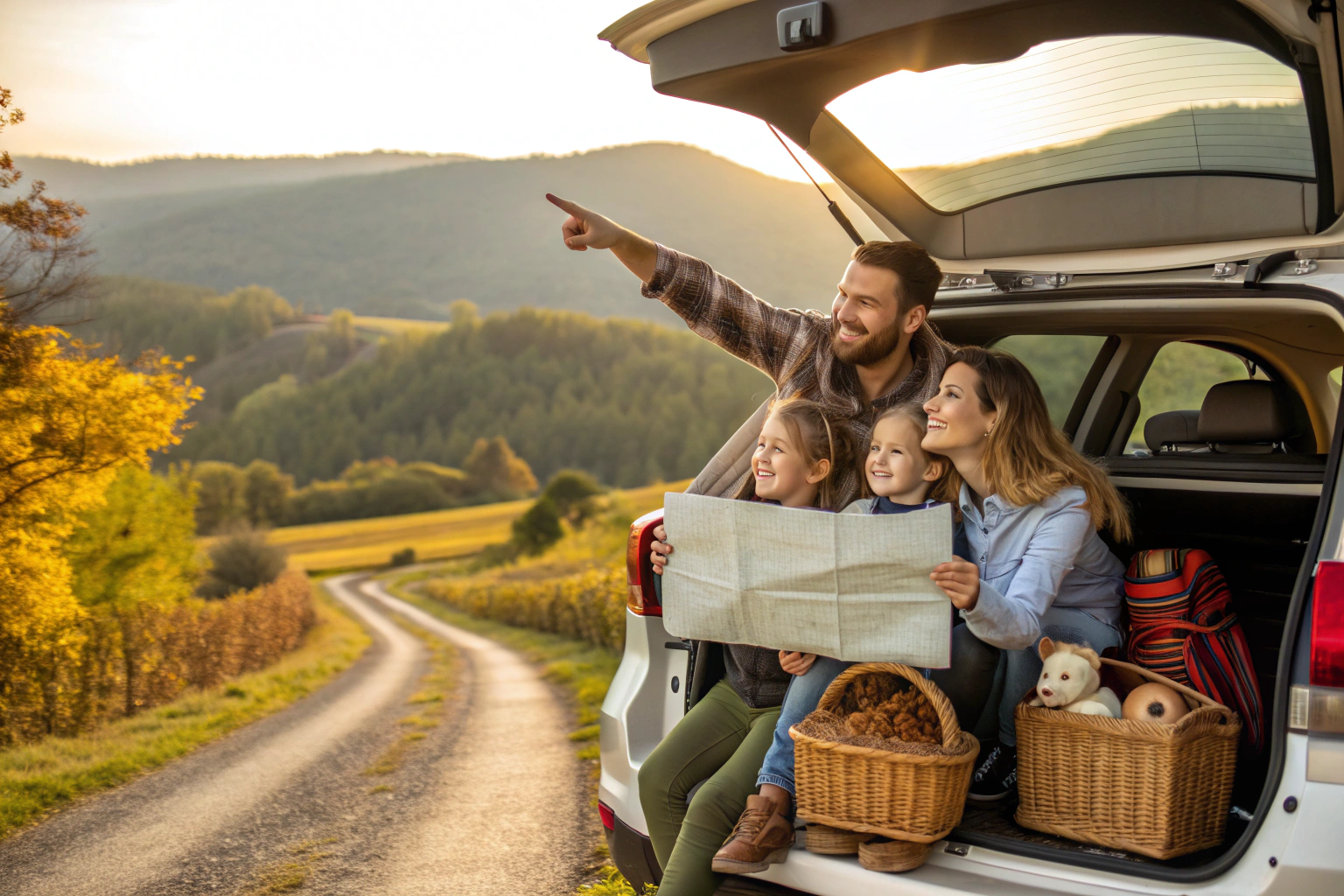
Family road trip ideas provide inspiration for memorable car journeys that cater to all ages, from toddlers to teens. These trips focus on creating a fun, affordable vacation by balancing driving time with engaging activities and scenic routes. A common user concern is finding destinations and travel plans that keep everyone happy and entertained without breaking the budget, which is why thoughtful planning is the key to a successful adventure.
Key Benefits at a Glance
- Save Money on Travel: Avoid expensive flights and multiple baggage fees. Packing your own car with snacks and gear makes a family vacation significantly more affordable.
- Travel with Ultimate Flexibility: Stop whenever a photo opportunity or fun detour arises. You can easily adjust plans to suit your family’s energy levels and interests.
- Create Lasting Memories: Build stronger family connections through shared discoveries, classic car games, and quality time spent together, away from daily distractions.
- Pack Without Stress: Easily bring all the toys, supplies, and comfort items your kids need without worrying about strict airline luggage limits or paying extra fees.
- Design a Custom Adventure: Tailor your route to include a mix of everyone’s must-sees, from national parks and quiet beaches to bustling city museums and theme parks.
Purpose of this guide
This guide is for any parent or caregiver looking to plan an enjoyable and stress-free road trip with children of any age. It solves the common problem of feeling overwhelmed by planning logistics, route choices, and keeping kids happy on a long drive. You will learn step-by-step strategies for choosing the right destination, creating a balanced itinerary, packing efficiently, and finding activities for the car. By helping you avoid common mistakes like over-scheduling or forgetting essentials, this guide ensures your family vacation is smoother and more memorable.
Ultimate Guide to Family Road Trip Ideas: Creating Unforgettable Journeys
There’s something magical about loading up the car with your family and hitting the open road together. After years of planning and experiencing countless family road trips, I’ve learned that these journeys offer far more than just a way to reach a destination—they create lasting bonds, unforgettable memories, and opportunities for adventure that simply can’t be replicated in other forms of travel.
Family road trips provide unique advantages that make them ideal for creating meaningful experiences. Unlike flying to a resort where you’re confined to one location, road trips allow you to discover hidden gems, make spontaneous stops, and witness the diverse landscapes and cultures that make up our country. The journey itself becomes part of the adventure, with each mile offering new conversations, games, and shared experiences that strengthen family relationships.
The flexibility of road trip travel means you can adapt to your family’s interests and energy levels in real-time. When someone spots an interesting roadside attraction or needs an extra break, you can simply pull over. This adaptability is especially valuable when traveling with children of different ages, as you can balance educational opportunities for older kids with active play stops for younger ones.
While road trip planning requires thoughtful preparation, the rewards far outweigh the challenges. The memories created during these journeys often become family legends—stories that get retold for years and help define your family’s shared history. From conquering cross-country routes to exploring regional gems, family road trips offer accessible adventures that fit various budgets and time constraints.
Planning Your Family Road Trip Route
Successful family road trips begin with strategic route planning that balances driving time with engaging experiences. The foundation of enjoyable road trip experiences lies in creating an itinerary that considers your family’s interests, ages, and travel tolerance while building in flexibility for spontaneous discoveries.
The most important principle in family road trip planning is the 2-2-2 rule: drive for no more than 2 hours at a time, take at least a 2-hour break, and arrive at your destination by 2 PM. This approach prevents travel fatigue, allows time for exploration at stops, and ensures you’re not searching for accommodations or dinner after everyone is exhausted.
When mapping your route, start by identifying your primary destinations and must-see attractions, then work backward to determine realistic daily driving distances. For families with young children, limiting daily drives to 4-6 hours total keeps everyone happier and more engaged. Older children and teens can typically handle longer driving days, but remember that even adults benefit from frequent breaks and varied scenery.
“More than 81% of American families planning road trips in 2025 say national parks, iconic coastal drives, and interactive historic sites are among their top choices for memorable family bonding.”
— National Recreation and Park Association, March 2025
Consider seasonal factors when planning your timing. Summer offers the most flexibility for families with school-aged children, but it also means higher accommodation costs and more crowded attractions. Spring and fall can provide beautiful weather and fewer crowds, though you’ll need to work around school schedules. Winter road trips require more preparation but can offer unique experiences like snow activities or holiday celebrations.
| Trip Duration | Recommended Distance | Planning Time | Best For |
|---|---|---|---|
| Weekend (2-3 days) | 300-600 miles | 2-3 weeks | First-time road trippers |
| Week-long (7 days) | 1,000-1,500 miles | 1-2 months | Standard family vacation |
| Extended (10-14 days) | 2,000-3,000 miles | 2-3 months | Cross-country adventures |
- Choose your destination region
- Map primary attractions and stops
- Calculate driving distances and times
- Apply the 2-2-2 rule (2 hours driving, 2-hour break, arrive by 2pm)
- Build in flexibility for weather and interests
- Book accommodations for peak destinations
Technology can be your ally in route planning, but don’t rely on it exclusively. Use mapping apps to calculate realistic drive times, but also research alternative routes in case of construction or weather delays. Download offline maps for areas with poor cell coverage, and always carry a physical atlas as backup.
Cross-Country Routes Worth Exploring
“According to AAA’s 2024 Summer Travel Forecast, nearly 44 million travelers, including a record number of families, are expected to hit the road over Memorial Day weekend, with family-friendly destinations like state parks and coastal routes seeing a surge in interest.”
— AAA Newsroom, May 2024
Cross-country routes offer the ultimate American road trip experience, providing diverse landscapes, cultures, and attractions that showcase the country’s incredible variety. These longer journeys require more planning but reward families with truly transformative travel experiences that become defining family memories.
| Route | Distance | Duration | Key Highlights | Best Age Groups |
|---|---|---|---|---|
| Route 66 (Chicago to LA) | 2,400 miles | 10-14 days | Historic landmarks, quirky roadside attractions | All ages |
| Pacific Coast Highway | 650 miles | 7-10 days | Coastal scenery, beaches, redwood forests | Ages 5+ |
| East Coast Historical | 800 miles | 7-10 days | Colonial history, museums, monuments | Ages 8+ |
| Great Lakes Circle | 1,200 miles | 8-12 days | Lighthouses, dunes, maritime history | Ages 6+ |
Route 66 remains the quintessential American road trip, offering a perfect blend of history, kitsch, and natural beauty. This legendary route takes families through eight states, from the urban energy of Chicago to the beaches of Santa Monica. Along the way, you’ll encounter everything from the Gateway Arch in St. Louis to the Painted Desert in Arizona. The route is particularly appealing because it offers attractions for every age group—young children love the giant roadside sculptures and quirky diners, while older kids appreciate the historical significance and teens enjoy the Instagram-worthy photo opportunities.
The Pacific Coast Highway provides some of the most spectacular coastal scenery in the world. Starting in Olympic National Park and ending in San Diego, this route showcases rugged coastlines, towering redwood forests, and charming seaside towns. Families can combine beach time with hiking, wildlife viewing, and cultural experiences in cities like San Francisco and Los Angeles. The moderate climate makes this route enjoyable year-round, though summer offers the best weather for beach activities.
For inspiration and tips, see this National Park road trip resource and explore creative itineraries at the Road Trip USA site.
The East Coast Historical Corridor appeals especially to families with school-aged children interested in American history. This route connects major historical sites from Boston to Williamsburg, including Revolutionary War battlefields, colonial settlements, and the nation’s capital. Children can walk where the founding fathers walked, see original historical documents, and experience living history demonstrations that bring textbook lessons to life.
Regional Road Trip Gems
For families new to road tripping or those with limited vacation time, regional routes provide excellent opportunities to experience the joy of road trip travel without the commitment of cross-country journeys. These shorter adventures typically require 2-5 days and cover 400-800 miles, making them perfect for long weekends or week-long vacations.
- Northeast: Boston to Acadia (4 days, 600 miles)
- South: Nashville to New Orleans (5 days, 500 miles)
- Midwest: Chicago to Mackinac Island (4 days, 450 miles)
- West: Denver to Yellowstone (6 days, 800 miles)
- Southwest: Phoenix to Grand Canyon (3 days, 400 miles)
Regional routes often provide high attraction density, meaning you’ll spend less time driving and more time exploring. The Northeast coastal route from Boston to Acadia National Park combines historical attractions with natural beauty, taking families through charming New England towns, past iconic lighthouses, and into one of the country’s most beloved national parks. This route works particularly well for families with elementary-aged children who can appreciate both the historical elements and outdoor activities.
The Southern musical heritage route from Nashville to New Orleans offers a completely different cultural experience, showcasing American music traditions from country to jazz. Families can tour recording studios, attend live performances, and experience the unique cultures of Memphis and the Mississippi Delta before reaching the vibrant city of New Orleans.
Midwest routes often surprise families with their variety and charm. The journey from Chicago to Mackinac Island takes families through diverse landscapes including sand dunes, charming lakeside towns, and historic sites, culminating in the car-free island experience that feels like stepping back in time.
Deciding How Long to Be Gone
Determining the optimal length for your family road trip involves balancing ideal experiences with practical constraints including work schedules, school commitments, and budget limitations. The sweet spot for most families falls between 7-14 days, providing enough time to truly disconnect and explore while remaining manageable for logistics and finances.
Weekend trips (2-3 days) work well for testing your family’s road trip compatibility and exploring nearby regions. These shorter adventures help you refine your packing and organization systems while building excitement for longer journeys. Many families use weekend trips to visit state parks, historic sites, or scenic areas within a few hours of home.
Week-long adventures (7-10 days) provide the classic family vacation experience with enough time to cover significant distances and visit multiple destinations. This duration allows families to settle into travel rhythms while experiencing diverse attractions and landscapes. Most families find this length ideal for covering 1,000-1,500 miles and visiting 3-5 major destinations.
Extended journeys (10-14+ days) offer the ultimate road trip experience but require careful planning and realistic expectations. These longer trips allow families to truly immerse themselves in different regions and cultures while covering 2,000+ miles. However, they also require more substantial budgets, detailed planning, and strategies for managing family dynamics over extended periods.
Consider your children’s ages when planning trip duration. Younger children often do better with shorter trips or longer trips broken into segments, while teenagers may appreciate the extended time away from routine that longer journeys provide. School schedules obviously play a major role, with summer breaks offering the most flexibility for extended travel.
Age-Appropriate Road Trip Destinations
Selecting destinations that appeal to different age groups ensures that every family member enjoys the journey and creates positive memories. Understanding how children’s interests and attention spans vary by age helps you choose attractions and activities that engage rather than frustrate your young travelers.
| Age Group | Ideal Activities | Attention Span | Special Considerations |
|---|---|---|---|
| Toddlers (1-3) | Playgrounds, splash pads, petting zoos | 15-30 minutes | Frequent stops, nap schedules |
| Preschoolers (4-5) | Children’s museums, aquariums, beaches | 30-60 minutes | Interactive experiences, bathroom breaks |
| Elementary (6-12) | Historical sites, science centers, nature trails | 1-2 hours | Educational value, hands-on learning |
| Teens (13+) | Urban culture, adventure activities, photography | 2+ hours | Independence, technology balance |
Successful family road trips often involve compromise and creativity in destination selection. When traveling with children of different ages, look for destinations that offer layered experiences—places where toddlers can run and play while older children engage with educational content and teens find photo-worthy moments or cultural experiences.
Multi-generational appeal destinations include national parks with easy trails and visitor centers, coastal areas with beaches and tide pools, and cities with children’s museums located near teen-friendly shopping or cultural districts. These locations allow family members to experience the same place differently according to their interests and developmental stages.
Toddler and Preschooler-Friendly Stops
Traveling with toddlers and preschoolers requires destinations that accommodate short attention spans, high energy levels, and frequent needs for movement and bathroom breaks. The key to success with this age group lies in choosing attractions that offer wide open spaces, sensory-rich but not overwhelming experiences, and flexibility for meltdowns or schedule changes.
- Choose destinations with wide open spaces for running
- Look for splash pads or water features for cooling off
- Pack familiar snacks and comfort items
- Plan stops every 1-2 hours maximum
- Research playgrounds along your route using apps
- Consider morning activities when kids are freshest
Children’s museums rank among the best destinations for this age group because they’re specifically designed for hands-on exploration and learning through play. Most children’s museums feature areas for different age groups, allowing toddlers to safely explore while older siblings engage with more complex exhibits. The interactive nature of these attractions means children can touch, climb, and experiment rather than just observe.
Beaches and lakeshores provide ideal destinations for young children because they offer unlimited space for running, digging, and splashing. The sensory experience of sand and water captivates toddlers while providing opportunities for simple learning about nature. Beach destinations also offer flexibility—if children get cranky, you can easily relocate along the shoreline or return to your accommodation for naps.
Petting farms and zoos appeal to young children’s natural fascination with animals while providing educational opportunities. Many petting farms offer hands-on experiences like feeding goats or collecting eggs, which create memorable moments for young children. Choose facilities with good shade and stroller accessibility, and visit during feeding times for the most engaging experiences.
Splash pads and water playgrounds have become increasingly popular destinations because they combine the appeal of water play with safety features designed for young children. Unlike traditional swimming pools, splash pads typically have no standing water and feature fountains, sprays, and interactive water elements that appeal to various age groups.
Educational Road Trip Ideas for Elementary Kids
Elementary-aged children (6-12 years) represent the sweet spot for educational travel because they have the attention span to engage with complex topics while maintaining the enthusiasm and wonder that make learning adventures exciting. This age group can appreciate historical significance, understand scientific concepts, and make connections between classroom learning and real-world experiences.
Historical destinations come alive for elementary-aged children when presented through storytelling and hands-on experiences. Places like Colonial Williamsburg, Gettysburg, and Boston’s Freedom Trail offer living history demonstrations where children can see how people lived, worked, and played in different time periods. Many historical sites offer junior ranger programs or scavenger hunts that turn learning into games.
Science destinations appeal to children’s natural curiosity about how things work. The Kennedy Space Center allows children to experience space exploration history while learning about current missions and future plans. Natural science destinations like Yellowstone or the Grand Canyon provide opportunities to observe geological processes, wildlife behavior, and ecosystem relationships that bring earth science lessons to life.
National parks offer unparalleled opportunities for environmental education combined with physical activity and natural beauty. Many parks offer junior ranger programs specifically designed for elementary-aged children, featuring age-appropriate activities that teach about conservation, wildlife, and natural processes. The combination of hiking, wildlife viewing, and educational programs creates well-rounded experiences that appeal to different learning styles.
Consider timing your visits to educational destinations to coincide with special programs or events. Many museums and historical sites offer seasonal programs, special exhibitions, or demonstration days that provide enhanced experiences for families. Rangers and educators at these locations often provide insights and stories that you won’t find in guidebooks.
Keeping Teens Engaged on Family Trips
Traveling with teenagers requires balancing family togetherness with opportunities for independence and experiences that appeal to their developing interests and identities. Successful teen engagement often involves giving them voice in planning decisions while selecting destinations that offer adventure, cultural experiences, or opportunities for creative expression.
Urban cultural experiences appeal to many teenagers because cities offer diversity, energy, and opportunities for independence within safe parameters. New York City provides endless opportunities for cultural experiences from Broadway shows to world-class museums, while also offering shopping, diverse food scenes, and photo opportunities for social media. Allow teens some freedom to explore (within agreed-upon boundaries) while maintaining family time for shared experiences.
Adventure destinations satisfy teenagers’ desire for excitement and challenge while creating shared family accomplishments. Places like Alaska offer wilderness experiences, wildlife viewing, and activities like glacier hiking or whale watching that provide natural thrills. Adventure destinations also offer excellent opportunities for photography, which appeals to many teenagers’ interests in documenting and sharing experiences.
Artistic and creative destinations like Santa Fe or the American Southwest appeal to teenagers interested in art, music, or creative expression. These locations offer opportunities to experience different cultures, artistic traditions, and creative processes while providing visually stunning landscapes perfect for photography.
Involve teenagers in trip planning by asking them to research destinations, plan specific days, or take responsibility for certain aspects of the journey. This involvement helps them feel invested in the trip while developing planning and research skills. Consider giving teens their own cameras or encouraging them to document the journey through journaling, blogging, or social media (within agreed-upon guidelines).
Budget-Friendly Road Trip Strategies
Road trips can provide exceptional value for family vacations when planned strategically, often costing significantly less than flying to resort destinations while offering more diverse experiences. Understanding how to manage the major expense categories allows families to create memorable adventures without financial stress.
| Expense Category | Typical % of Budget | Daily Range (Family of 4) | Money-Saving Tips |
|---|---|---|---|
| Accommodation | 40-50% | $40-150 | Camping, vacation rentals, off-peak booking |
| Food | 20-30% | $20-60 | Picnics, grocery shopping, breakfast included |
| Activities | 15-25% | $15-50 | Free attractions, state parks, city passes |
| Fuel | 15-20% | $15-40 | Gas apps, efficient driving, route planning |
| Emergency Fund | 10% | $10-20 | Unexpected repairs, weather delays |
The key to budget-friendly road trip planning lies in making strategic choices about where to spend and where to save. Accommodation typically represents the largest expense, making it the area with the most potential for savings through alternative options like camping, vacation rentals, or staying in smaller towns near major attractions rather than in tourist centers.
Food expenses can be controlled significantly through meal planning and strategic shopping, while still allowing for special dining experiences that create memories. Many families find success in preparing breakfasts and lunches while eating dinners at local restaurants to experience regional cuisine and support local businesses.
Activity costs vary widely depending on your interests and destinations. Many of the most memorable family road trip experiences—scenic drives, hiking trails, beaches, and small-town exploration—cost little or nothing. Paid attractions can provide excellent value when chosen strategically, particularly those offering all-day experiences or educational programs.
Accommodation Alternatives Beyond Hotels
Creative lodging choices can dramatically reduce your accommodation expenses while often providing more interesting and memorable experiences than standard hotels. These alternatives frequently offer more space, kitchen facilities, and unique character that enhance rather than detract from your road trip adventure.
| Accommodation Type | Cost Range | Pros | Cons |
|---|---|---|---|
| Hotels/Motels | $80-200/night | Predictable, amenities, service | Expensive, less character |
| Camping | $20-50/night | Very affordable, nature experience | Weather dependent, setup time |
| Vacation Rentals | $60-150/night | Kitchen, space, local feel | Cleaning fees, less service |
| Cabins/Lodges | $70-180/night | Unique experience, often scenic | Limited availability, remote |
Camping offers the most significant savings while providing unique experiences that many children find more exciting than hotel stays. State parks and national parks offer excellent camping facilities with clean restrooms, showers, and often educational programs. Even families without camping experience can start with cabin rentals in parks, which provide the outdoor experience with more comfort and convenience.
Vacation rentals through platforms like Airbnb or VRBO often provide better value than hotels, especially for families needing multiple bedrooms or staying several nights in one location. Kitchen facilities allow for meal preparation, which provides additional savings. Many vacation rentals are located in residential neighborhoods, giving families a more authentic local experience.
One of our most memorable accommodation experiences occurred when we stayed in a converted barn in Vermont that had been transformed into a family-friendly retreat. The children loved the unique space, the property offered hiking trails and farm animals, and the cost was significantly less than nearby hotels. These unconventional accommodations often become highlights of the trip rather than just places to sleep.
State park lodges and cabins represent an excellent middle ground between camping and hotels, often featuring rustic charm with modern amenities in spectacular natural settings. These accommodations typically cost less than commercial hotels while providing unique experiences and access to outdoor activities.
Being Out of Town = LESS Bills at Home
One often-overlooked financial benefit of road trips is the reduction in household expenses while you’re away from home. These savings can offset travel costs and should be factored into your overall trip budget as a form of “found money” that helps justify vacation expenses.
- Reduced electricity usage (lights, appliances, AC/heat)
- Lower water bills from less showering and laundry
- No grocery shopping for fresh foods
- Decreased local entertainment and dining expenses
- Reduced gas for local driving and errands
- Lower phone/internet usage in some cases
During a typical week at home, our family of four spends approximately $200-300 on groceries, local activities, and miscellaneous household expenses. When we’re on a road trip, these expenses disappear while our utility bills drop significantly due to reduced usage. Over a two-week vacation, these savings can amount to $400-500, which effectively reduces our travel costs by that amount.
The psychological benefit of recognizing these savings helps families justify vacation expenses and can provide a buffer for unexpected travel costs. Rather than viewing the entire trip cost as additional expense, families can calculate the net cost after accounting for reduced household expenses.
Smart families also use pre-trip preparation to maximize these savings. Tasks like pre-paying bills, adjusting thermostats, and putting mail on hold ensure smooth home management while away. Some families even arrange for neighbors to use their pools or garden produce in exchange for basic house monitoring, creating goodwill while ensuring property maintenance.
How to Plan for the Unexpected – Protecting Your Budget
Even the most carefully planned road trips encounter unexpected expenses, from vehicle repairs to weather-related detours. Building contingency funds into your budget and preparing for common challenges helps ensure that surprises don’t derail your trip or create financial stress.
A realistic emergency fund for family road trips should include approximately $200 per week of travel, covering potential expenses like emergency lodging, vehicle repairs, medical needs, or weather-related changes. This amount provides peace of mind without being excessive, and unused emergency funds can be applied to future trips or family activities.
Vehicle-related emergencies represent the most common unexpected expenses on road trips. Flat tires, battery problems, or minor mechanical issues can cost $100-500 but are manageable with proper preparation. Carrying roadside assistance coverage and maintaining relationships with trusted mechanics can minimize both costs and stress when problems arise.
Weather-related expenses might include emergency lodging if storms make driving dangerous, alternative activities if outdoor plans are cancelled, or route changes that increase fuel costs. Flexible accommodations and backup activity plans help manage these situations without major budget impacts.
Medical emergencies during travel can be costly and stressful, making travel insurance and emergency medical preparation important considerations. Carrying copies of insurance cards, maintaining prescription medications, and knowing how to access medical care in unfamiliar areas protects both health and budgets.
The key to managing unexpected expenses lies in preparation and maintaining perspective. Most road trip challenges are minor inconveniences that become funny stories later, and proper planning helps ensure they don’t become major problems or financial disasters.
Essential Packing Guide for Family Road Trips
Strategic packing ensures comfort and preparedness while avoiding the common mistake of overpacking that makes vehicles cramped and travel more stressful. The goal is to bring everything your family needs while maintaining organized, accessible storage that allows everyone to find their belongings easily.
Pack smarter with a complete system that covers every family member’s needs: Family Travel Packing Checklist for Family Trips.
- Pack one week’s worth of clothes regardless of trip length
- Prioritize items you can’t easily buy on the road
- Use packing cubes or bags to maximize space efficiency
- Keep a small bag accessible for each family member
- Pack a separate bag for first day/last day essentials
Effective road trip packing involves thinking about accessibility as much as space efficiency. Items needed during travel (snacks, entertainment, comfort items) should be easily reachable from seating areas, while clothing and gear used only at destinations can be packed in less accessible storage areas.
The one-week clothing rule simplifies packing regardless of trip length. Pack enough clothes for one week, plan to do laundry during longer trips, and bring one extra outfit per person for emergencies. This approach prevents overpacking while ensuring everyone has clean, appropriate clothing throughout the journey.
Climate considerations affect packing significantly, particularly for trips covering large geographic areas or elevation changes. Layering systems work better than bulky items, and checking weather forecasts for all destinations helps ensure appropriate clothing choices. Remember that air conditioning in vehicles can make summer travel surprisingly cool, while mountain destinations can be cold even in summer.
Special equipment for planned activities (hiking boots, swimwear, camera gear) should be prioritized over general items that can be purchased en route. Make lists of planned activities and pack accordingly, but avoid bringing equipment for every possible activity you might consider.
Car Organization Systems That Actually Work
Maintaining organization in your vehicle enhances everyone’s comfort and reduces stress by ensuring that needed items can be found quickly without disrupting other passengers. Effective organization systems are simple enough for children to maintain and flexible enough to adapt as needs change during the journey.
- Assign each family member a specific storage area
- Use over-seat organizers for frequently needed items
- Keep a small trash bag accessible to each seat
- Store snacks in easy-reach containers or bags
- Designate one bag for electronics and chargers
- Keep important documents in a waterproof folder
Personal storage zones help prevent conflicts and ensure everyone can access their belongings without disturbing others. Assign each family member a specific area such as a seatback pocket, small bag, or designated section of shared storage. This system teaches responsibility while maintaining order.
Accessibility hierarchy organizes items based on how frequently they’ll be needed during travel. The most frequently used items (snacks, entertainment, comfort items) should be within arm’s reach of seating areas. Occasionally needed items (extra clothes, games) can be stored in less accessible but still reachable areas. Rarely needed items (formal clothes, specialized gear) can be packed in the least accessible storage areas.
Entertainment organization deserves special attention because bored children can quickly disrupt vehicle harmony. Rotate entertainment options throughout the day, keeping some items hidden to maintain novelty. Consider individual entertainment bags for each child, supplemented by family games and activities that encourage interaction.
Involving children in maintaining organization teaches responsibility and reduces parental stress. Create simple systems that children can manage independently, and establish routines for cleaning and reorganizing at regular intervals. Praise children for maintaining their areas and keeping common spaces tidy.
What to Pack for Kids and Parents
Focus your packing efforts on items that are difficult or impossible to replace on the road, while recognizing that most basic necessities can be purchased during travel if needed. This approach prevents overpacking while ensuring you have everything essential for safety, comfort, and enjoying your planned activities.
| Pack These (Hard to Replace) | Buy on Road (Easily Available) |
|---|---|
| Prescription medications | Toiletries and personal care |
| Important documents (ID, insurance) | Clothing basics (t-shirts, shorts) |
| Special comfort items (blankets, toys) | Snacks and drinks |
| Electronics and chargers | Sunscreen and bug spray |
| First aid supplies | Entertainment items |
| Camera and memory cards | Laundry detergent |
Essential documents should be organized in a waterproof folder or bag that stays with parents at all times. Include driver’s licenses, vehicle registration and insurance, health insurance cards, emergency contact information, and copies of important documents stored separately from originals. Consider digital copies stored in cloud storage as additional backup.
Medical supplies require special attention because health needs can’t wait for convenient shopping opportunities. Pack prescription medications with extra supplies in case of delays, basic first aid supplies for minor injuries, and any specialized medical equipment your family needs. Include thermometer, pain relievers, and any medications for motion sickness or allergies.
Comfort items often make the difference between happy and miserable travelers, particularly for younger children. Special blankets, stuffed animals, or other comfort objects help children feel secure in unfamiliar environments. These items are often impossible to replace and provide emotional security that prevents meltdowns and sleep difficulties.
Technology needs include chargers for all devices, backup batteries or power banks, and any adapters needed for different outlets. Consider bringing entertainment downloads for offline use in areas with poor connectivity. Camera equipment and memory cards ensure you can capture memories without relying on phone storage.
Keeping Kids Entertained on the Road
Preventing boredom and maintaining positive attitudes during driving segments requires variety, engagement, and balance between active and quiet activities. The most successful entertainment strategies involve the entire family and create positive memories rather than simply passing time.
Spark conversation and connection with age-appropriate questions that go beyond “Are we there yet?”: Road Trip Questions for Family Bonding and Fun Chats.
Entertainment planning should consider your children’s ages, interests, and attention spans while building in flexibility for changing moods and energy levels. Rotate activities frequently to maintain interest, and save special or new items for times when energy is flagging or patience is wearing thin.
Balance screen time with interactive activities to promote family bonding and prevent over-reliance on devices. While tablets and smartphones can provide valuable entertainment during long driving segments, they shouldn’t replace opportunities for conversation, games, and shared experiences that create family memories.
Timing entertainment activities strategically helps manage energy levels and expectations. Start trips with exciting activities to build enthusiasm, use calming activities before rest stops or arrival times, and save special treats or new activities for challenging moments when attitudes need adjustment.
Consider the driver’s experience when planning entertainment activities. Some activities (quiet individual pursuits, audio books) allow drivers to focus on driving, while others (singing, interactive games) can include the driver and make driving more enjoyable. Avoid activities that create excessive noise or require driver participation during challenging driving conditions.
Screen-Free Entertainment Ideas
Non-digital activities often create the most memorable family moments while encouraging creativity, conversation, and connection with the journey itself. These activities help children develop observation skills, creativity, and family bonds while providing entertainment that doesn’t depend on battery life or connectivity.
- 20 Questions with travel themes
- License plate bingo by state
- Alphabet game using roadside signs
- Would You Rather travel edition
- Story building (each person adds a sentence)
- I Spy with landscape features
- Travel journal drawing and writing
- Audio books for family listening
- Singing favorite family songs
- Memory games about trip highlights
Observation games help children engage with their surroundings while developing awareness and appreciation for different landscapes, architecture, and regional differences. License plate games, roadside sign challenges, and landscape feature identification turn passive passengers into active participants in the journey.
Creative activities like storytelling, drawing, and writing help children process their experiences while developing imagination and expression skills. Travel journals become treasured keepsakes that preserve memories long after the trip ends. Encourage children to record not just what they saw, but how they felt and what they learned.
Music and audio activities can include the entire family and create shared experiences that become family traditions. Singing favorite songs, listening to audio books together, or creating playlists for different family members helps pass time while building connections. Consider audio books that relate to your destinations for educational value.
Memory games about trip experiences help reinforce positive memories while providing entertainment. Challenge children to remember details about places you’ve visited, foods you’ve tried, or people you’ve met. These games help children process experiences and often reveal what impressed them most about the journey.
Smart Stops on a Family Road Trip
Strategic rest stops serve multiple purposes beyond basic needs, providing opportunities for exercise, education, and mini-adventures that enhance the overall journey. The best stops offer something for every family member while addressing practical needs like fuel, food, and restrooms.
- Choose truck stops over regular gas stations for better amenities
- Look for stops with playgrounds or green space
- Time stops with meal breaks when possible
- Research unique roadside attractions along your route
- Use rest areas with picnic tables for snack breaks
- Stop at visitor centers for local information and clean restrooms
Truck stops often provide superior amenities for families compared to regular gas stations, including larger, cleaner restrooms, better food options, and sometimes shower facilities. Many truck stops feature family-friendly restaurants, convenience stores with good snack selections, and even small playgrounds or walking areas.
Rest areas and welcome centers frequently offer more than just restroom facilities. Many feature picnic areas, walking trails, historical information, and local tourism materials. These stops provide opportunities for children to run and play while adults gather information about upcoming destinations or alternative routes.
Roadside attractions transform necessary stops into memorable experiences. Research unique attractions along your route such as world’s largest objects, quirky museums, or natural wonders. These stops often cost little or nothing while providing photo opportunities and stories that become part of family travel lore.
Timing stops strategically helps manage energy levels and expectations. Plan stops before children become cranky rather than waiting for complaints. Combine stops when possible—fuel up while children play, eat lunch at a scenic overlook, or explore a small town while taking a driving break.
Educational opportunities at stops can reinforce learning and maintain engagement with the journey. Visitor centers often provide information about local history, geography, or natural features. Historical markers, geological formations, and cultural sites turn rest stops into learning experiences.
Road Trip Meal Planning and Snack Ideas
Strategic meal planning significantly reduces food costs while ensuring better nutrition and family satisfaction compared to relying entirely on restaurant meals. The key lies in balancing convenience with cost savings while allowing for special dining experiences that create memories and support local businesses.
| Meal Strategy | Cost Savings | Prep Time | Best For |
|---|---|---|---|
| Full meal prep | 50% | 2-3 hours | Long trips, dietary restrictions |
| Breakfast + snacks only | 30% | 1 hour | Most families, balanced approach |
| Picnic lunches | 40% | 30 min daily | Scenic routes, outdoor stops |
| Restaurant dinners only | 20% | Minimal | Short trips, special occasions |
Most families find success with a hybrid approach that combines meal preparation for some meals with restaurant dining for others. Preparing breakfasts and lunches while eating dinners at local restaurants provides cost savings while allowing families to experience regional cuisine and support local businesses.
Snack planning deserves special attention because hungry children can quickly become cranky children, turning pleasant drives into stressful experiences. Pack a variety of healthy snacks that provide sustained energy rather than sugar crashes. Include both familiar favorites and new options to maintain interest.
Dietary restrictions and preferences require extra planning during road trips, but they shouldn’t prevent families from enjoying travel experiences. Research restaurants along your route that accommodate special needs, and always carry backup options for times when suitable restaurants aren’t available.
Food safety becomes crucial when transporting perishable items in vehicles. Maintain proper temperatures with quality coolers and ice management, avoid leaving perishables in hot vehicles, and use common sense about food freshness and safety.
Cooler Packing Strategies and Road-Friendly Recipes
A well-organized cooler system can keep food fresh and safe for days while providing easy access to meals and snacks throughout your journey. The key lies in proper packing techniques, temperature management, and choosing foods that travel well and appeal to your family.
- Pre-chill cooler overnight before packing
- Layer ice packs on bottom and top
- Pack items in reverse order (last needed on bottom)
- Use separate coolers for drinks and food if possible
- Keep cooler in shade and cover with blankets
- Minimize opening frequency to maintain temperature
Road-friendly recipes should be simple to prepare, easy to eat in vehicles, and appealing to your family’s tastes. Sandwiches remain popular because they’re customizable, portable, and familiar. Consider wraps instead of bread for less mess, and pack condiments separately to prevent soggy results.
Make-ahead breakfast options like overnight oats, breakfast burritos, or muffins provide nutritious starts to travel days without requiring morning preparation time. These options can be prepared at home and stored in coolers for several days, providing consistent breakfast options regardless of accommodation kitchen facilities.
Picnic lunch combinations work well for scenic stops and outdoor destinations. Pack components separately and assemble at meal time for freshness. Include proteins (deli meat, cheese, hard-boiled eggs), carbohydrates (crackers, bread, fruit), and vegetables (cut vegetables, cherry tomatoes) for balanced nutrition.
Snack variety keeps everyone satisfied and prevents constant requests for food stops. Include healthy options like nuts, fruit, and vegetables alongside treats like crackers and granola bars. Pack snacks in individual portions to control serving sizes and make distribution easier.
Grocery shopping during travel allows families to restock supplies, try regional foods, and adjust meal plans based on experiences and preferences. Plan grocery stops every 3-4 days for longer trips, and use these opportunities to explore local markets and specialty foods.
Creating Memorable Family Moments
Intentional memory-making transforms routine travel into treasured family experiences that strengthen bonds and create stories that last for generations. The most meaningful memories often come from shared experiences, challenges overcome together, and moments of discovery that surprise and delight family members.
Turn travel into a tradition by documenting highlights and planning your next adventure together: How to Plan a Perfect Family Game Night.
- Give each child a disposable camera or phone time
- Create a family travel journal with everyone contributing
- Collect one small souvenir from each major stop
- Take photos at state border signs
- Record short video messages at special locations
- Start a tradition like family photos at scenic overlooks
Photography strategies should involve the entire family rather than placing the burden solely on parents. Give children their own cameras (disposable cameras work well for younger children) and encourage them to document their perspectives on the journey. These photos often capture details and moments that adults miss while providing children with ownership of the memory-making process.
Family traditions created during road trips often become anticipated elements of future travels. Whether it’s singing specific songs when crossing state lines, collecting pressed pennies, or taking silly photos at roadside attractions, these traditions create continuity and anticipation that enhance the travel experience.
Spontaneous moments often create the most cherished memories, so maintain flexibility in your schedule for unexpected discoveries. When someone spots an interesting detour or suggests an unplanned stop, consider saying yes if safety and time allow. These spontaneous adventures often become the stories that get retold for years.
Shared challenges like navigating unexpected detours, dealing with weather delays, or trying unfamiliar foods can become bonding experiences when approached with positive attitudes. Frame challenges as adventures rather than problems, and celebrate successful problem-solving as family accomplishments.
Incorporating Educational Opportunities
Learning experiences woven naturally into road trip adventures enhance children’s understanding while creating connections between classroom lessons and real-world experiences. The key lies in making education feel like discovery rather than school, emphasizing hands-on experiences and personal connections to learning content.
| Subject Area | Road Trip Opportunities | Age-Appropriate Activities |
|---|---|---|
| History | Battlefields, museums, historic towns | Scavenger hunts, timeline creation, role-playing |
| Geography | State borders, landforms, climate zones | Map tracking, elevation changes, weather patterns |
| Science | National parks, planetariums, science centers | Rock collecting, star gazing, hands-on experiments |
| Culture | Local festivals, art galleries, regional foods | Trying new foods, learning local customs, art creation |
Historical connections come alive when children can walk where historical events occurred, touch artifacts, and hear stories in the locations where they happened. Gettysburg transforms Civil War lessons from abstract concepts into tangible experiences when children stand on the battlefield and imagine the events that occurred there.
Scientific discovery happens naturally during road trips as families encounter different ecosystems, geological formations, and weather patterns. Yellowstone provides opportunities to observe geothermal activity, wildlife behavior, and ecosystem relationships that bring earth science and biology lessons to life through direct observation.
Geographic awareness develops as families travel through different regions, cross state boundaries, and experience varying landscapes and climates. Encourage children to track your journey on maps, note elevation changes, and observe how geography affects culture, agriculture, and lifestyle in different regions.
Cultural exposure occurs through interactions with local people, regional foods, artistic traditions, and community celebrations. These experiences help children understand diversity and develop appreciation for different ways of life while building cultural competency and empathy.
After the Family Road Trip: Maps, Memories, and Next Adventures
Post-trip activities extend the enjoyment and learning from your road trip while creating anticipation for future adventures. These activities help families process their experiences, preserve memories, and maintain the connections strengthened during travel.
Photo organization and sharing should happen soon after returning home while memories are fresh. Create physical or digital photo books that tell the story of your journey, including funny moments, beautiful scenery, and family interactions. Consider giving each child their own photo album or scrapbook to personalize with their favorite memories.
Map marking traditions help families visualize their travel experiences and plan future adventures. Use a large US map to mark places you’ve visited, creating a visual record of your family’s travel history. Some families use different colored pins for different types of destinations or different years of travel.
Souvenir organization prevents travel mementos from becoming clutter while preserving their memory-making value. Create display areas for special items, use shadow boxes for small collections, or incorporate souvenirs into children’s room decorations. The goal is to keep items visible and meaningful rather than stored away and forgotten.
Story sharing and documentation helps preserve family travel stories for future generations. Consider creating family travel blogs, recording video stories about favorite moments, or writing in family journals about lessons learned and memories created. These records become treasured family history over time.
Future trip planning maintains travel enthusiasm and gives families something to anticipate. Involve children in researching potential destinations, creating wish lists of places to visit, and planning how to build on experiences from completed trips. This forward-looking approach helps families view road trips as ongoing adventures rather than isolated events.
Handling Road Trip Challenges
Even well-planned family road trips encounter unexpected challenges, from weather delays to vehicle problems to family conflicts. Preparing for common issues and maintaining positive attitudes when problems arise ensures that challenges don’t derail your adventure or create lasting negative memories.
- Car sickness: Keep windows cracked, avoid heavy meals, pack cleanup supplies
- Sibling conflicts: Assign separate spaces, rotate seating, plan individual activities
- Weather delays: Have backup indoor activities, flexible schedule, emergency accommodations
- Unexpected closures: Research alternatives, have backup plans, embrace spontaneity
- Technology failures: Carry paper maps, download offline content, have backup charging methods
Attitude and perspective play crucial roles in how families handle road trip challenges. Framing problems as adventures rather than disasters helps maintain positive family dynamics and often turns challenges into memorable stories. Children take cues from parents about how to respond to difficulties, making parental attitude crucial for family morale.
Flexibility and backup plans prevent single problems from ruining entire trips. Always have alternative activities for weather delays, backup routes for road closures, and emergency accommodation options for unexpected overnight stays. This preparation provides peace of mind and practical solutions when challenges arise.
Communication strategies help families work together to solve problems rather than allowing stress to create conflicts. Involve children in problem-solving when appropriate, maintain calm communication even when frustrated, and celebrate successful resolution of challenges as family accomplishments.
Learning opportunities can emerge from challenges when families approach them with curiosity rather than frustration. Navigation problems teach geography and problem-solving skills, weather delays provide opportunities to explore unexpected destinations, and vehicle issues can lead to interactions with helpful locals and interesting detours.
Emergency Preparedness on the Road
Comprehensive emergency preparation provides peace of mind and practical solutions for unexpected situations, allowing families to handle challenges confidently rather than panic when problems arise. The goal is preparation without paranoia—being ready for common issues without letting worry dominate your travel experience.
| Emergency Category | Essential Items | Important Information |
|---|---|---|
| Medical | First aid kit, medications, thermometer | Insurance cards, doctor contacts, allergies list |
| Vehicle | Spare tire, jumper cables, basic tools | Roadside assistance number, insurance info |
| Communication | Phone chargers, backup battery, paper maps | Emergency contacts, hotel confirmations |
| Weather | Blankets, water, non-perishable snacks | Weather apps, alternate route plans |
| Financial | Cash, backup credit card, emergency fund | Bank contacts, account numbers |
Medical preparedness should address both routine needs and potential emergencies. Pack prescription medications with extra supplies, basic first aid materials for minor injuries, and important medical information including insurance cards and emergency contacts. Consider the medical facilities available along your route and how to access care if needed.
Vehicle emergency supplies should address the most common roadside problems while recognizing the limitations of roadside repairs. Basic tools, jumper cables, and a properly inflated spare tire handle many common issues. More importantly, maintain roadside assistance coverage and know how to contact help when needed.
Communication backup ensures you can get help and stay connected even when primary systems fail. Backup phone chargers, portable batteries, and paper maps provide alternatives when technology fails. Store important phone numbers in multiple places and formats in case your phone is damaged or lost.
During a trip through Montana several years ago, our vehicle broke down in a remote area with no cell coverage. Because we had paper maps, emergency supplies, and a clear plan for handling vehicle problems, what could have been a disaster became an adventure. We were able to navigate to the nearest town, find helpful locals and a reliable mechanic, and continue our trip with minimal delay and a great story to tell.
Weather preparedness becomes crucial when traveling across diverse geographic and climatic regions. Monitor weather forecasts for your entire route, not just your departure point, and carry supplies for temperature extremes and severe weather. Flexibility in routing and scheduling helps you avoid dangerous conditions while maintaining trip momentum.
The key to successful emergency preparation lies in balance—being prepared without being paralyzed by worry, carrying essential supplies without overpacking, and maintaining confidence while acknowledging potential risks. Most road trip challenges are minor inconveniences that become funny stories later, but proper preparation ensures they stay inconveniences rather than becoming serious problems.
Family road trips offer unparalleled opportunities for bonding, discovery, and adventure that create lasting memories and strengthen family relationships. With proper planning, realistic expectations, and positive attitudes, these journeys become treasured family experiences that inspire future adventures and provide stories that last for generations. The open road awaits your family’s next great adventure.
Frequently Asked Questions
Popular family-friendly road trip destinations in the USA include national parks like Yellowstone and the Grand Canyon, which offer stunning scenery and educational activities. Coastal routes such as California’s Highway 1 or Florida’s Overseas Highway provide beach stops and amusement parks for kids. Consider the Pacific Northwest for a mix of mountains, forests, and cities like Seattle, ensuring something for every family member.
Start by estimating costs for gas, accommodations, food, and activities, using tools like gas calculators and travel apps to get accurate figures. Set aside a contingency fund for unexpected expenses and look for deals on family passes to attractions. Track spending daily to stay within your budget and adjust as needed during the trip.
Essential items include snacks, water, and entertainment like books or tablets to keep everyone comfortable. Pack clothing for varying weather, first-aid supplies, and car maintenance tools such as a spare tire and jumper cables. Don’t forget important documents like IDs, insurance papers, and a portable charger for devices.
Plan daily driving segments of no more than 4-6 hours to avoid fatigue, incorporating stops at attractions or rest areas. Use mapping apps to identify points of interest along the route and allocate time for meals and breaks. Build in flexibility for spontaneous adventures while ensuring the schedule accommodates the needs of all family members, especially children.
For young children, games like “I Spy” or singing songs work well to keep them engaged. Teens might enjoy trivia apps or creating playlists, while adults can participate in storytelling or license plate spotting. Tailor activities to the group’s interests, such as audiobooks for all ages, to make the drive enjoyable and interactive.