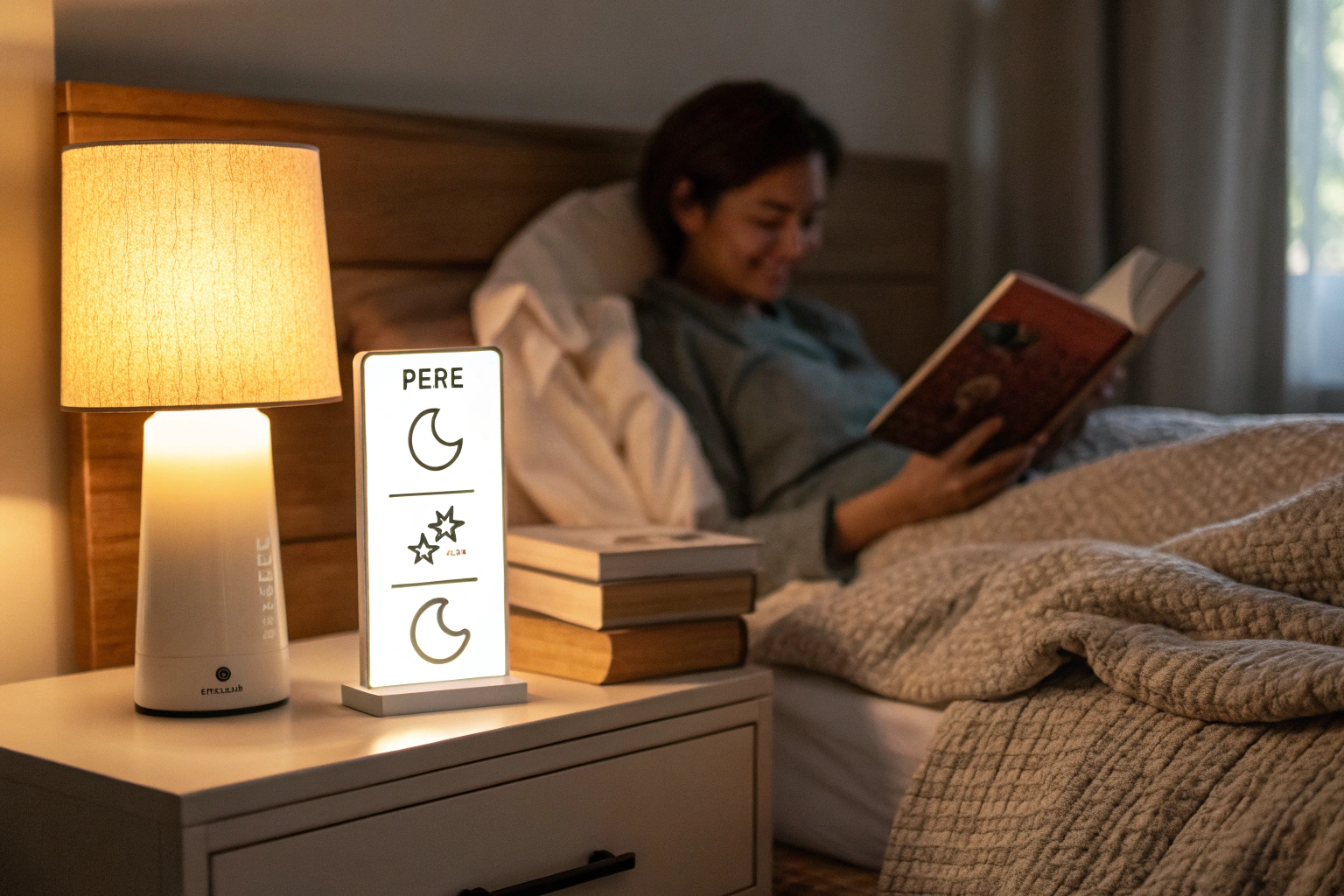
books to read before bed are titles chosen specifically to help you relax, quiet your mind, and transition smoothly into sleep. Unlike suspenseful thrillers or complex non-fiction, these books offer gentle narratives and calming tones that reduce stress. Many readers seek these recommendations to create a healthy bedtime routine that improves sleep quality by avoiding the stimulating blue light from digital screens, a common concern for those struggling to unwind.
Key Benefits at a Glance
- Reduces Stress & Anxiety: Engaging with a calming story helps lower cortisol levels and quiet anxious thoughts, preparing your mind and body for sleep.
- Improves Sleep Quality: Reading a physical book helps you disconnect from sleep-disrupting blue light from phones, which can inhibit melatonin production.
- Creates a Healthy Routine: A consistent habit of reading before bed signals to your brain that it is time to wind down, making it easier to fall asleep each night.
- Enhances Mental Well-being: Gentle fiction, poetry, or essays offer a peaceful escape from daily worries, boosting empathy and creativity without overstimulating the mind.
- Provides Gentle focus: Bedtime reading offers a way to gently focus your mind, distracting you from repetitive thoughts without causing the mental strain of a complex plot.
Purpose of this guide
This guide is for anyone looking to replace screen time with a relaxing activity that promotes better rest. Whether you’re a busy professional, a student, or simply someone who struggles to quiet your mind at night, finding the right book is key. This resource helps you understand what makes a book suitable for bedtime reading, solving the common problem of accidentally choosing a story that keeps you awake with suspense or excitement. You will learn how to identify books with calming pacing, gentle themes, and low-stakes plots. We’ll outline common mistakes to avoid—such as picking action-packed genres—and help you build a personalized reading list that supports your long-term sleep goals.
Introduction to books to read before bed
Three years ago, I found myself staring at the ceiling night after night, my mind racing with work stress and endless to-do lists. Despite feeling exhausted, sleep remained elusive. Then a colleague mentioned something that changed everything: she read for twenty minutes before bed every night. As someone who had abandoned regular reading years earlier, I was skeptical. Could something so simple really help?
The answer, backed by both my personal experience and extensive research in sleep science, is a resounding yes. Reading before bed isn't just a pleasant way to wind down—it's a scientifically proven method to improve sleep quality, reduce stress hormones, and prepare your mind for restorative rest.
- Reading before bed reduces cortisol levels by up to 68%
- Physical books don’t emit sleep-disrupting blue light
- Bedtime reading creates a consistent sleep cue for your brain
- Regular readers fall asleep 36% faster than non-readers
- Reading fiction increases empathy and emotional regulation
“Studies show that settling in with a book before bed helps you get a better night’s sleep, boosts your mood, and reduces stress.”
— Penguin Random House, October 2025
When you establish a consistent bedtime reading routine, you're not just entertaining yourself—you're actively participating in evidence-based sleep hygiene. The act of reading signals to your brain that it's time to transition from the day's activities to rest, creating a powerful psychological cue that becomes stronger with repetition.
The science behind reading before bed
Understanding why reading works so effectively as a sleep aid requires diving into the fascinating interplay between literature and neuroscience. When you read, your brain undergoes measurable changes that directly support better sleep quality and faster sleep onset.
Replace screen time with calming connection—just like meaningful conversation starters for kids: Fun Questions to Ask Kids: The Ultimate Guide to Meaningful Conversations.
Research conducted at the University of Sussex found that reading can reduce stress levels by up to 68% in just six minutes—more effectively than listening to music, having a cup of tea, or taking a walk. This dramatic stress reduction occurs because reading requires focused attention, which naturally shifts your mind away from the day's worries and anxieties.
The neurological mechanism is equally compelling. Reading activates the parasympathetic nervous system, often called the "rest and digest" response, which is the opposite of the fight-or-flight state that keeps many people awake. As you become absorbed in a story or contemplative text, your heart rate slows, breathing deepens, and muscle tension decreases—all physiological changes that prepare your body for sleep.
| Activity | Cortisol Reduction | Sleep Onset Time | REM Quality |
|---|---|---|---|
| Reading | 68% | 15-20 min | High |
| TV Watching | 12% | 45-60 min | Low |
| Phone Scrolling | -15% | 60+ min | Poor |
| No Activity | 0% | 30-45 min | Medium |
Perhaps most importantly, reading fiction specifically enhances what researchers call "theory of mind"—your ability to understand and empathize with others' perspectives. This cognitive exercise not only makes you more emotionally intelligent but also provides a form of mental processing that helps organize thoughts and emotions before sleep, leading to fewer racing thoughts and better dream quality.
Why physical books trump digital for bedtime reading
The format you choose for bedtime reading matters significantly more than you might expect. While e-readers and tablets offer convenience, physical books provide distinct advantages for sleep preparation that digital devices simply cannot match.
The primary culprit is blue light emission. Electronic devices emit light in the blue spectrum (around 480 nanometers), which directly suppresses melatonin production in the pineal gland. Melatonin is your body's natural sleep hormone, and even small amounts of blue light can delay its release by two to three hours, effectively pushing your natural bedtime later and reducing sleep quality.
| Format | Blue Light | Melatonin Impact | Eye Strain | Sleep Quality |
|---|---|---|---|---|
| Physical Books | None | No disruption | Minimal | Excellent |
| E-ink Readers | Minimal | Slight delay | Low | Good |
| Tablets/Phones | High | Suppressed 2-3hrs | High | Poor |
| Backlit E-readers | Medium | Suppressed 1-2hrs | Medium | Fair |
Physical books also engage different sensory experiences that contribute to relaxation. The tactile sensation of turning pages, the subtle scent of paper and ink, and the weight of the book in your hands all create sensory anchors that help ground you in the present moment. These multisensory experiences activate the parasympathetic nervous system more effectively than the purely visual experience of screen reading.
If you must use digital devices, e-ink readers without backlighting (like the basic Kindle) represent the best compromise. They eliminate blue light concerns while maintaining some digital conveniences, though they still lack the full sensory experience of physical books.
Addressing the doomscrolling habit
Many people have developed what researchers now term "doomscrolling"—the compulsive consumption of negative news and social media content, particularly before bed. This habit represents one of the most significant barriers to healthy sleep in our digital age, and replacing it with reading can dramatically improve both sleep quality and mental health.
- News consumption before bed increases anxiety by 40%
- Social media scrolling delays sleep onset by 45 minutes
- Blue light exposure suppresses melatonin for 2-3 hours
- Negative content triggers fight-or-flight response
The psychological impact of consuming negative content before bed extends far beyond simple blue light exposure. News media, designed to capture attention through urgency and conflict, activates your sympathetic nervous system—the exact opposite of what you need for sleep preparation. Social media algorithms specifically promote emotionally charged content, keeping you in a state of heightened arousal that can persist for hours after you've put the device down.
Reading offers a powerful alternative that serves the same underlying need for mental engagement while promoting relaxation instead of stimulation. When you replace scrolling with reading, you're not just avoiding negative stimulation—you're actively engaging in an activity that reduces cortisol, lowers blood pressure, and prepares your mind for restorative sleep.
- Set phone to airplane mode 1 hour before bed
- Use a physical alarm clock instead of phone
- Keep devices in another room while sleeping
- Replace news apps with reading apps on your phone
The transition from doomscrolling to reading doesn't have to be abrupt. Start by replacing just the last fifteen minutes of screen time with reading, gradually extending this period as the habit becomes more established. Many people find that once they experience the superior sleep quality that comes with reading, they naturally lose interest in late-night scrolling.
My top 10 recommendations for bedtime reading
After years of experimenting with different books and genres for bedtime reading, I've identified ten titles that consistently promote relaxation and better sleep. These recommendations aren't just personal favorites—they're books that have been tested by the unique demands of bedtime reading and proven effective for creating the right mental state for sleep.
| Book | Author | Genre | Why It Works | Reading Time |
|---|---|---|---|---|
| Little House on the Prairie | Laura Ingalls Wilder | Historical Fiction | Gentle nostalgia, predictable rhythm | 20-30 min |
| Gilead | Marilynne Robinson | Literary Fiction | Contemplative, spiritual tone | 25-35 min |
| Me Talk Pretty One Day | David Sedaris | Humor/Memoir | Light humor, short chapters | 15-25 min |
| Tao Te Ching | Lao Tzu | Philosophy | Brief verses, meditative | 10-15 min |
| The Daily Stoic | Ryan Holiday | Philosophy | One-page daily readings | 5-10 min |
Each of these books offers something different, allowing you to match your reading choice to your current mood and energy level. Some nights you might want the gentle comfort of Laura Ingalls Wilder's prairie stories, while other evenings call for the philosophical reflection of ancient wisdom texts.
For a hand-picked selection of books to help you unwind, check Penguin Random House's staff pick. Alternatively, explore reader favorites for evening reading on Goodreads lists, where titles like The Little Prince and The Midnight Library are frequently recommended for bedtime.
The key to successful bedtime reading lies not just in choosing the right books, but in understanding why certain types of content work better than others for sleep preparation. Each recommendation on this list has been selected based on specific criteria: gentle pacing, emotionally soothing content, natural stopping points, and the ability to engage your mind without overstimulating it.
Fiction picks for peaceful dreams
Fiction offers unique advantages for bedtime reading because it engages your imagination in ways that can actually facilitate the transition into dream states. The key is choosing narratives that soothe rather than stimulate, stories that create a sense of peace and resolution rather than tension and conflict.
“Dream of other worlds—a little dose of escapism might be just what the doctor ordered.”
— Penguin Random House, October 2025
Little House on the Prairie by Laura Ingalls Wilder remains my top fiction recommendation for bedtime reading. The gentle rhythm of frontier life, the detailed descriptions of daily routines, and the overall sense of security and family warmth create an ideal mental environment for sleep preparation. The episodic structure means you can easily find natural stopping points, and the familiar, comforting world helps quiet an anxious mind.
Gilead by Marilynne Robinson offers a more contemplative option for readers who appreciate literary fiction. Written as a letter from an aging father to his young son, the novel moves at a deliberately slow pace, focusing on memory, faith, and the beauty of ordinary moments. Robinson's prose has a meditative quality that naturally slows your reading pace and encourages reflection rather than excitement.
- Choose character-driven over plot-driven stories
- Avoid cliffhangers and intense conflicts
- Look for descriptive, lyrical writing styles
- Select familiar settings and time periods
- Prefer episodic over serialized narratives
For those who enjoy gentle humor, Anne of Green Gables by L.M. Montgomery provides the perfect balance of warmth and wit without the edge that characterizes much contemporary humor. Anne's adventures are engaging enough to hold your attention but never so dramatic as to cause anxiety or overstimulation.
The Guernsey Literary and Potato Peel Pie Society by Mary Ann Shaffer offers historical fiction with a unique epistolary format that creates natural reading breaks. The post-World War II setting focuses on healing and community rather than conflict, making it ideal for evening reading.
Finally, A Tree Grows in Brooklyn by Betty Smith provides the comfort of coming-of-age storytelling without the intense drama that characterizes many modern novels. The gentle pace and focus on family relationships create a soothing reading experience that promotes relaxation.
Non fiction that soothes without overstimulating
The challenge with non-fiction bedtime reading lies in finding books that engage your intellect without activating the problem-solving or analytical thinking that can keep you awake. The best bedtime non-fiction offers gentle wisdom, humor, or reflection without demanding active mental work or emotional processing.
| Book | Topic | Tone | Chapter Length | Sleep Rating |
|---|---|---|---|---|
| Ikigai | Life Purpose | Gentle | Short | 9/10 |
| The Obstacle Is the Way | Stoicism | Reflective | Medium | 8/10 |
| When Things Fall Apart | Mindfulness | Compassionate | Short | 9/10 |
| A Walk in the Woods | Nature | Humorous | Medium | 8/10 |
Me Talk Pretty One Day by David Sedaris represents the gold standard for bedtime humor reading. Sedaris's observational comedy is gentle enough not to cause overstimulation, yet engaging enough to hold your attention. The short essay format provides natural stopping points, and the self-deprecating humor promotes relaxation rather than tension.
Ikigai by Héctor García and Francesc Miralles explores the Japanese concept of life purpose through gentle storytelling and practical wisdom. The book's contemplative tone and focus on simple pleasures make it perfect for evening reading, offering insights without demanding immediate action or life changes.
A Walk in the Woods by Bill Bryson combines nature writing with gentle humor, creating an ideal bedtime reading experience. Bryson's observations about hiking the Appalachian Trail are both entertaining and calming, offering the mental escape of nature without the physical demands of actual outdoor activity.
The Art of Simple Living by Shunmyo Masuno presents Zen principles through brief, accessible chapters that naturally lend themselves to bedtime reading. Each section offers a complete thought that doesn't require continuation, making it easy to read just enough to quiet your mind without becoming overly engaged.
Kitchen Confidential by Anthony Bourdain, while dealing with the high-stress restaurant world, is written with enough humor and nostalgia to work for bedtime reading. Bourdain's storytelling style and focus on food culture provide engaging content without the intensity of his later, more politically charged work.
Classics and philosophy for bedtime perspective
Philosophical and classical texts offer unique advantages for bedtime reading because they encourage contemplation rather than emotional engagement. The key is choosing accessible translations and editions that present wisdom in digestible portions rather than dense academic formats.
- Tao Te Ching – Stephen Mitchell translation
- Meditations – Gregory Hays translation
- Letters from a Stoic – Robin Campbell translation
- The Enchiridion – Elizabeth Carter translation
- The Art of Living – Sharon Lebell adaptation
Tao Te Ching by Lao Tzu, particularly in Stephen Mitchell's translation, offers brief verses perfect for bedtime contemplation. Each chapter stands alone, providing complete thoughts in just a few paragraphs. The philosophical content encourages reflection without requiring analysis, making it ideal for the transition between wakefulness and sleep.
The Daily Stoic by Ryan Holiday presents ancient Stoic wisdom in one-page daily readings. This format is perfect for bedtime because it provides just enough content to engage your mind without overwhelming it. The practical philosophy helps put daily concerns in perspective, naturally reducing the anxiety that often prevents sleep.
Letters from a Stoic by Seneca offers timeless wisdom in letter format, creating natural reading breaks. Seneca's advice on managing emotions, dealing with adversity, and finding contentment provides the kind of perspective that helps quiet a worried mind before sleep.
Meditations by Marcus Aurelius, in Gregory Hays's accessible translation, presents the private thoughts of a Roman emperor grappling with universal human challenges. The brief, journal-like entries offer wisdom without requiring sustained attention, making it perfect for drowsy evening reading.
The Prophet by Kahlil Gibran combines philosophical insight with poetic language, creating a reading experience that naturally slows your pace and encourages contemplation. The book's structure allows you to read just one section and feel complete, making it ideal for bedtime use.
Selecting the perfect bedtime book
Developing reliable criteria for choosing bedtime books will save you from the frustration of starting a book that keeps you awake rather than helping you sleep. Not every good book is a good bedtime book, and understanding the difference is crucial for successful sleep preparation through reading.
Choose books that soothe—just as you’d choose calming, screen-free activities for family bonding: How to Plan a Perfect Family Game Night.
- Check emotional tone – avoid intense drama or conflict
- Assess complexity – choose familiar themes over challenging concepts
- Consider pacing – slower narratives work better than fast-paced plots
- Evaluate chapter length – shorter sections allow natural stopping points
- Test personal connection – familiar authors or topics reduce cognitive load
The most important criterion is emotional tone. Books that create anxiety, anger, or intense excitement will activate your sympathetic nervous system, making sleep more difficult. This doesn't mean bedtime books must be boring—they should be engaging enough to hold your attention away from daily worries, but not so stimulating that they create new sources of mental activation.
Complexity level matters more for bedtime reading than for daytime consumption. Books that require active analysis, complex problem-solving, or unfamiliar concepts can engage your mind too actively for sleep preparation. This is why familiar authors, genres, or even re-reading favorite books often works better than tackling challenging new material.
Pacing significantly affects your ability to transition from reading to sleep. Books with rapid scene changes, multiple plot threads, or constant action keep your mind in an alert state. Slower, more contemplative narratives naturally synchronize with the mental deceleration needed for sleep.
Chapter structure provides practical advantages for bedtime reading. Books with short chapters or natural break points make it easier to stop reading when you feel drowsy, rather than pushing through to reach a conclusion. This flexibility helps you respond to your body's sleep signals rather than fighting them.
Genres that promote relaxation and sleep
Understanding which genres naturally promote relaxation can guide your bedtime book selection and help you build a collection of reliable sleep-promoting reads. Different genres work better for different personality types and stress levels, so having options across multiple categories ensures you always have appropriate choices.
| Genre | Sleep Benefit | Potential Issue |
|---|---|---|
| Literary Fiction | Contemplative pace | May be too complex |
| Nature Writing | Calming imagery | Can be too engaging |
| Poetry | Rhythmic, brief | Requires concentration |
| Memoir | Personal connection | Emotional intensity varies |
| Philosophy | Reflective tone | Abstract concepts |
| Short Stories | Natural stopping points | Varied quality within collections |
Nature writing consistently ranks among the most effective genres for bedtime reading. Books about natural landscapes, wildlife, or outdoor experiences activate what researchers call "soft fascination"—gentle mental engagement that promotes relaxation rather than stimulation. Authors like John Muir, Annie Dillard, and Terry Tempest Williams create prose that mirrors the calming effect of actual nature exposure.
Literary fiction with contemplative themes works well because it engages your imagination without creating anxiety or excitement. The key is choosing character-driven narratives over plot-driven stories, focusing on internal development rather than external conflict.
Poetry collections offer unique advantages for bedtime reading because poems are self-contained and often have rhythmic qualities that can synchronize with relaxed breathing patterns. However, avoid poetry that requires intensive analysis or deals with disturbing themes.
Gentle humor in memoir or essay form can be highly effective for bedtime reading, provided it's not satirical or mean-spirited. Authors like James Herriot, Gerald Durrell, or Erma Bombeck offer humor that promotes warmth and relaxation rather than excitement or tension.
Philosophy and spiritual texts, when presented in accessible formats, provide the kind of perspective that naturally quiets mental chatter. The key is choosing translations or adaptations that present wisdom in digestible portions rather than academic density.
What to avoid
Understanding what types of books to avoid for bedtime reading is just as important as knowing what to choose. Certain genres and content types will reliably interfere with sleep preparation, regardless of their quality as literature or entertainment.
- Thrillers and suspense novels with cliffhangers
- Horror or disturbing psychological content
- Complex non-fiction requiring active problem-solving
- Books with controversial or emotionally charged topics
- Series with unresolved plotlines
- Self-help books requiring immediate action or planning
Thrillers and suspense novels are designed specifically to keep you turning pages, making them the antithesis of good bedtime reading. The psychological tension, cliffhangers, and adrenaline-inducing plot twists activate your sympathetic nervous system, making sleep more difficult even after you've put the book down.
Horror content obviously disrupts sleep preparation, but the category extends beyond obvious choices to include psychological thrillers, true crime, and any content that creates anxiety or fear. Even well-written horror can influence your dreams and overall sleep quality negatively.
Complex non-fiction that requires active thinking, problem-solving, or decision-making engages your mind too actively for sleep preparation. This includes business books, technical manuals, political analysis, or any content that makes you want to take notes or plan action steps.
Emotionally charged content, whether fiction or non-fiction, can create mental activation that persists after reading. This includes books dealing with trauma, social injustice, relationship conflict, or any topic that triggers strong emotional responses.
Unresolved series create what psychologists call the "Zeigarnik effect"—the tendency for unfinished tasks to create persistent mental preoccupation. If you're in the middle of a compelling series, the unresolved plot elements can keep your mind active when you're trying to sleep.
Re reading favorites as a sleep strategy
Re-reading familiar books represents one of the most effective strategies for bedtime reading, offering unique psychological benefits that new books cannot provide. The familiarity reduces cognitive load while still providing engagement, creating ideal conditions for sleep preparation.
- Choose books you’ve read at least twice before
- Select childhood favorites for maximum comfort
- Keep 3-5 re-reading options by your bedside
- Don’t worry about ‘wasting time’ – comfort has value
- Use re-reading during stressful life periods
When you re-read a familiar book, your brain doesn't have to work as hard to process plot, character development, or unfamiliar concepts. This reduced cognitive load allows you to enjoy the experience while naturally moving toward a more relaxed mental state. The predictability that might make a book boring for daytime reading becomes an advantage for bedtime use.
Childhood favorites often work particularly well because they're associated with comfort and security. Books like Anne of Green Gables, The Secret Garden, or Little Women carry emotional associations that promote feelings of safety and contentment—ideal mental states for sleep preparation.
Re-reading also eliminates the anxiety about "missing something" that can keep you alert while reading new material. You can allow your attention to drift naturally without worrying about losing important plot points, making it easier to recognize and respond to drowsiness signals.
The practice of re-reading for sleep becomes particularly valuable during stressful periods when your mind is more active and harder to quiet. Familiar books provide psychological comfort while the reading activity itself offers a healthy distraction from worry and rumination.
Creating your personal bedtime reading ritual
Establishing a consistent bedtime reading ritual transforms reading from a simple activity into a powerful sleep preparation tool. The ritual aspect—the predictable sequence of actions leading to reading—creates psychological cues that help your brain recognize it's time to transition toward sleep.
Build consistent, screen-free wind-down routines that support better sleep and reduce family stress: Morning Routines for Kids Made Fun and Easy.
- Set consistent bedtime 30 minutes earlier than sleep goal
- Dim lights to 10% of daytime brightness
- Choose book and reading spot before getting into bed
- Read for 15-30 minutes or until naturally drowsy
- Close book and practice 2-3 minutes of deep breathing
- Turn off light and allow natural sleep transition
Consistency is the foundation of any effective bedtime ritual. When you read at approximately the same time each night, your circadian rhythm begins to anticipate this activity, naturally preparing your body for sleep as reading time approaches. This biological preparation makes the actual transition to sleep much smoother.
Timing matters more than you might expect. Beginning your reading ritual 30-45 minutes before your desired sleep time allows adequate time for the stress-reduction benefits to take effect without rushing the process. Rushing through bedtime reading eliminates many of its psychological benefits.
Environment preparation should happen before you begin reading, not during. Having everything ready—book chosen, reading spot prepared, lighting adjusted—eliminates decision-making and potential disruptions that can interfere with the relaxation process.
The transition from reading to sleep requires intentional practice. Rather than simply closing the book and immediately expecting sleep, build in a brief buffer period of deep breathing or gentle reflection that bridges the gap between reading and sleep onset.
Setting the scene
The physical environment for bedtime reading significantly impacts its effectiveness as a sleep preparation tool. Small adjustments to lighting, temperature, and comfort can dramatically improve both your reading experience and subsequent sleep quality.
- Use warm light (2700K or lower) for reading
- Position light source behind or beside you, not overhead
- Keep room temperature between 65-68°F (18-20°C)
- Use comfortable seating that doesn’t encourage sleep
- Minimize noise with soft background sounds if needed
- Keep water nearby but avoid large drinks before bed
Lighting represents the most critical environmental factor for bedtime reading. Warm, dim lighting (2700K color temperature or lower) supports natural melatonin production while providing adequate illumination for comfortable reading. Position your light source to avoid glare and shadows on the page, typically from behind your shoulder or beside your reading position.
Temperature control affects both reading comfort and sleep preparation. Slightly cool temperatures (65-68°F) support your body's natural temperature drop that occurs before sleep onset. Too warm, and you'll feel uncomfortable; too cool, and you'll be distracted by the cold.
Seating choice requires balance between comfort and alertness. You want to be comfortable enough to relax but not so comfortable that you fall asleep while reading, which can disrupt your sleep cycle. A comfortable chair or sitting up in bed works better than lying flat, which encourages immediate sleep.
Sound management varies by individual preference, but complete silence isn't always optimal. Gentle, consistent background sounds like soft music, nature sounds, or white noise can mask disruptive environmental noises without creating distraction from reading.
Transition techniques
The transition from reading to sleep represents a critical skill that improves with practice. Many people struggle with this transition, either feeling too alert after reading or falling asleep with the book still open. Developing smooth transition techniques enhances both reading enjoyment and sleep quality.
- Notice when your eyes feel heavy or you’re re-reading sentences
- Mark your place and close the book gently
- Take three slow, deep breaths
- Briefly reflect on something pleasant from your reading
- Turn off the light and settle into sleep position
- If thoughts arise, return attention to your breathing
Recognizing drowsiness signals requires attention to subtle physical and mental changes. Heavy eyelids, the need to re-read sentences, decreased comprehension, or your mind wandering from the text all indicate readiness for sleep transition. Learning to recognize and respond to these signals prevents the common mistake of pushing through drowsiness and becoming alert again.
Closing the reading session should be deliberate rather than abrupt. Mark your place, close the book gently, and set it aside with intention. This ritual closure helps signal to your brain that reading time has ended and sleep time has begun.
Breathing practices provide an excellent bridge between reading and sleep. Three to five slow, deep breaths activate the parasympathetic nervous system and help maintain the relaxed state achieved through reading. Focus on extending your exhale slightly longer than your inhale to enhance the calming effect.
Mental transition involves letting go of the reading content without forcing it. Rather than trying to empty your mind completely, allow pleasant images or thoughts from your reading to flow naturally as you drift toward sleep. This gentle mental activity often transitions smoothly into dream content.
Digital detox strategies for better reading
Creating boundaries around digital device use is essential for successful bedtime reading. The mere presence of phones, tablets, or other connected devices can undermine the calming effects of reading through psychological pressure and physical temptation.
- DO: Use a physical alarm clock instead of your phone
- DON’T: Check ‘just one more’ message before bed
- DO: Charge devices outside the bedroom
- DON’T: Use tablets or phones within 2 hours of sleep
- DO: Set automatic ‘Do Not Disturb’ schedules
- DON’T: Keep work emails accessible after 8 PM
Physical separation from devices eliminates the temptation to check messages or notifications during your reading time. Keeping phones in another room or in a drawer removes the visual cue that can trigger the urge to scroll, even when you're enjoying your book.
Timing boundaries create clear distinctions between digital engagement and sleep preparation. Establishing a "digital sunset" two hours before bed allows your mind to shift away from the stimulating, reactive mode that devices encourage toward the contemplative, receptive mode that supports good reading and sleep.
Alternative solutions for device-dependent habits ensure you don't sacrifice practical needs for digital boundaries. Using a physical alarm clock eliminates the need to keep your phone by your bed, while automatic scheduling features can handle "Do Not Disturb" settings without requiring daily attention.
Environmental design can support your digital detox efforts. Creating a charging station outside the bedroom, using physical books instead of e-readers, and keeping entertainment devices in other rooms all reduce the cognitive load of resisting digital temptation during your bedtime routine.
Building your bedtime reading collection
A well-curated bedtime reading collection ensures you always have appropriate options regardless of your mood, stress level, or reading preferences on any given evening. Building this collection strategically prevents the common problem of starting books that prove unsuitable for sleep preparation.
- Comfort reads – familiar favorites for stressful times
- Discovery shelf – new books that meet bedtime criteria
- Seasonal rotation – lighter content for busy periods
- Emergency backup – short story collections or poetry
- Travel-friendly options – paperbacks for trips
Comfort reads form the foundation of your bedtime collection. These are books you've read before and know provide reliable relaxation and sleep preparation. Having 5-10 comfort reads easily accessible ensures you always have a failsafe option when new books prove too stimulating or when life stress makes concentration difficult.
Discovery books allow you to expand your bedtime reading without risking poor sleep. Choose new books carefully based on the criteria discussed earlier, and consider reading a chapter or two during daytime hours to assess their suitability before committing to bedtime use.
Seasonal considerations matter more than you might expect. During high-stress periods—work deadlines, family challenges, or major life changes—you may need simpler, more comforting reading material than during relaxed times. Build flexibility into your collection to accommodate these variations.
Emergency options solve the problem of finishing a book at bedtime with nothing suitable to replace it. Short story collections, poetry books, or daily reading books like The Daily Stoic provide immediate alternatives that don't require commitment to longer narratives.
Format considerations include having both hardcover and paperback options. Paperbacks are easier to hold when you're drowsy and less likely to cause injury if you fall asleep while reading. Consider keeping a few paperback comfort reads specifically for bedtime use.
Troubleshooting common bedtime reading challenges
Even with the best intentions and careful book selection, you'll occasionally encounter challenges with bedtime reading. Understanding common problems and their solutions helps you maintain consistency in your routine and adapt to changing circumstances.
| Challenge | Cause | Solution | Timeline |
|---|---|---|---|
| Can’t concentrate | Overstimulation | Switch to simpler content | 3-5 days |
| Too engaged to stop | Wrong book choice | Choose familiar re-reads | Immediate |
| Eyes strain quickly | Poor lighting | Adjust light position/brightness | Same night |
| Still wired after reading | Stimulating content | Switch genres | 1-2 nights |
| Falling asleep while reading | Too tired | Start routine 15 min earlier | 1 week |
Concentration difficulties often indicate that your mind is too active or stressed for the type of content you've chosen. When you find yourself reading the same paragraph repeatedly or unable to follow simple storylines, switch to more basic content—perhaps poetry, short essays, or familiar re-reads that require less mental processing.
Over-engagement with exciting books is a common problem that defeats the purpose of bedtime reading. If you consistently find yourself reading "just one more chapter" or staying up later than intended, you need to switch to less compelling content. This isn't a failure—it's a sign that you need to adjust your book selection criteria.
Physical discomfort from eye strain, neck pain, or awkward positioning can disrupt both reading enjoyment and sleep preparation. Address these issues immediately through lighting adjustments, posture changes, or different seating arrangements. Physical discomfort creates stress that counteracts reading's relaxation benefits.
Persistent alertness after reading suggests that your content choice is too stimulating or that you need a longer transition period between reading and sleep. Try switching to gentler content or extending your post-reading breathing and relaxation time.
Timing issues often require simple adjustments to your routine rather than major overhauls. If you're falling asleep while reading, start your routine earlier when you're more alert. If you're not tired enough to read comfortably, consider light physical activity or gentle stretching before beginning your reading time.
Tracking your reading and sleep progress
Monitoring the relationship between your bedtime reading and sleep quality helps you optimize your routine and provides motivation to maintain the habit. Simple tracking methods can reveal patterns and preferences that improve both book selection and timing.
- Track sleep onset time for one week without reading
- Introduce bedtime reading and track for two weeks
- Note which books/genres work best
- Record mood and energy levels each morning
- Adjust routine based on patterns you observe
- Continue tracking monthly to maintain improvements
Baseline measurement provides essential context for understanding reading's impact on your sleep. Track your normal sleep patterns for one week before introducing bedtime reading, noting time to fall asleep, sleep quality, and morning energy levels. This baseline helps you recognize improvements that might otherwise seem insignificant.
Reading variables to track include book title, genre, reading duration, and subjective sleep quality. Simple ratings (1-10 scale) for factors like "how relaxed I felt after reading" or "ease of falling asleep" provide useful data without requiring extensive record-keeping.
Sleep quality indicators extend beyond just time to fall asleep. Track morning energy levels, mood upon waking, and overall sleep satisfaction. These factors often improve with bedtime reading even when sleep onset time remains constant.
Pattern recognition becomes possible after 2-3 weeks of consistent tracking. You might discover that certain genres work better on stressful days, that particular authors consistently promote better sleep, or that reading duration needs adjustment based on your energy levels.
Routine optimization based on your tracking data might involve adjusting timing, changing book selection criteria, or modifying your reading environment. Small changes guided by actual data often produce better results than major routine overhauls based on assumptions.
Conclusion
The journey to better sleep through bedtime reading represents more than just a habit change—it's a return to one of humanity's most natural and effective relaxation practices. In our hyperconnected world, the simple act of opening a physical book and losing yourself in words on a page offers a powerful antidote to digital overstimulation and chronic stress.
The science is clear: reading before bed reduces cortisol levels, promotes melatonin production, and creates the ideal mental conditions for restorative sleep. But beyond the research data lies a deeper truth—bedtime reading reconnects you with the simple pleasure of stories and ideas, providing a gentle transition from the demands of daily life to the peace of sleep.
Your bedtime reading journey doesn't require perfection from the first night. Start with one book that appeals to you, set aside fifteen minutes before your usual bedtime, and allow the practice to evolve naturally. Some nights you'll read for five minutes, others for thirty. Some books will prove perfect for sleep preparation, others will join your daytime reading list. This experimentation and adjustment is part of the process, not a sign of failure.
The investment you make in building a bedtime reading routine pays dividends far beyond improved sleep. Regular readers report better stress management, increased empathy, expanded vocabulary, and a greater sense of calm in their daily lives. You're not just preparing for sleep—you're cultivating a practice that enriches your entire relationship with rest, relaxation, and personal growth.
Tonight, choose one book from your shelves or library, dim the lights, and begin. Your journey to better sleep through the simple pleasure of reading starts with turning a single page. In a world that never stops moving, this quiet ritual of reading before bed offers something increasingly rare: a peaceful transition to rest, one story at a time.
Frequently Asked Questions
The best books to read before bed often include relaxing literature like classic novels or gentle fiction that promotes calmness. Consider bedtime novels such as “The Night Circus” by Erin Morgenstern or sleep stories collections that ease the mind into rest. These choices help transition from daily stress to a peaceful state, enhancing overall sleep quality.
Reading before bed can improve sleep quality by reducing stress and signaling to your body that it’s time to wind down, much like engaging with nighttime stories. It diverts attention from screens and daily worries, promoting relaxation through immersive, relaxing literature. Consistent reading rituals can lead to faster sleep onset and deeper rest.
Reading from a physical book is often better than e-readers before sleep because it avoids blue light emission, which can disrupt melatonin production. Physical books enhance the tactile experience of relaxing literature, making bedtime novels feel more soothing. However, if using an e-reader, opt for one with a warm light setting to minimize sleep interference.
The best types of books for reading before bed are those that promote relaxation, such as sleep stories or light fiction without intense plots. Bedtime novels and calming non-fiction like poetry or nature essays work well to ease the mind. Avoid anything too stimulating to ensure the reading aids in winding down effectively.
To overcome doomscrolling, set a specific time to put away devices and replace it with a bedtime reading ritual involving relaxing literature. Start by choosing engaging nighttime stories or bedtime novels that captivate without overstimulation, and keep your reading area screen-free. Over time, this habit can rewire your routine for better sleep hygiene and reduced anxiety.
Fiction is often preferred before bed as it allows escapism through sleep stories and imaginative narratives, helping to detach from real-life stresses. Non-fiction can be suitable if it’s light and inspirational, like relaxing literature on mindfulness, but avoid dense topics. Ultimately, choose what calms your mind most effectively for improved sleep.