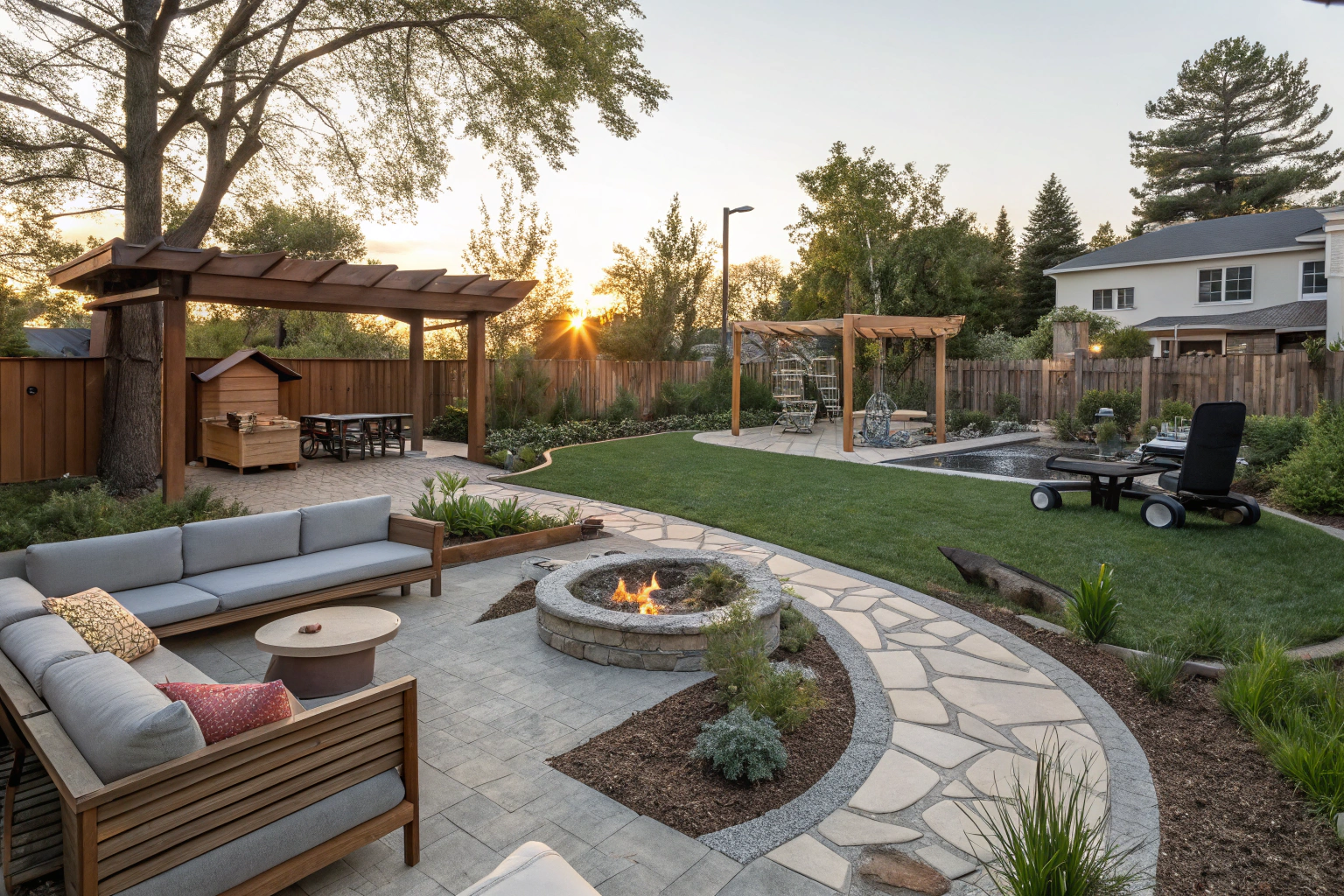
Family friendly backyard ideas refer to design concepts and features that transform an outdoor space into a safe, engaging, and multi-functional area for all ages. These ideas focus on combining elements for play, relaxation, and entertainment while prioritizing safety and durability. Homeowners often seek these solutions to encourage outdoor activity, create lasting memories, and maximize the use of their property for every member of the family, from toddlers to adults, ensuring a versatile and welcoming environment.
Key Benefits at a Glance
- Encourages Safe Play: Create designated zones for activities with soft surfaces like rubber mulch or grass to minimize injuries and give parents peace of mind.
- Promotes Quality Family Time: Add features like a fire pit, outdoor dining area, or a projector screen that bring everyone together for shared experiences and memories.
- Grows with Your Family: Choose versatile elements, such as a sandbox that can later convert into a raised garden bed, ensuring the space remains useful as children get older.
- Boosts Health and Well-being: A well-designed yard encourages physical activity, gardening, and exposure to nature, which can reduce stress and limit screen time for all.
- Increases Property Value: Thoughtful landscaping with family-oriented features is a highly attractive asset to potential buyers, providing a strong return on your investment.
Purpose of this guide
This guide is for homeowners and parents looking to transform their yard into a fun, safe, and practical oasis for the entire family. It solves the challenge of creating a space that entertains young children, accommodates teens, and offers a relaxing retreat for adults. You will learn actionable ideas for any budget or yard size, from simple DIY projects to larger installations. We provide tips on choosing kid-safe plants, creating distinct activity zones, and avoiding common mistakes like poor layout planning, helping you build a backyard everyone will enjoy for years.
Creating the ultimate family friendly backyard
After 15 years of designing outdoor spaces for families, I’ve learned that creating the perfect family-friendly backyard isn’t about having the biggest budget or the largest space—it’s about understanding how families actually use their outdoor areas. When the Martinez family first contacted me, they were overwhelmed by conflicting advice about their modest suburban backyard. They wanted a space where their toddler could play safely, their teenager would actually want to spend time, and they could entertain friends without tripping over toys. Sound familiar?
The challenge of designing for multi-generational enjoyment is real. You’re balancing safety concerns with aesthetic preferences, managing budget constraints while planning for growth, and trying to create distinct zones in what might be a surprisingly small space. The good news? I’ve seen countless families transform their backyards into beloved outdoor living spaces that work beautifully for everyone.
Whether you’re starting with a blank slate or reimagining an existing yard, the key lies in thoughtful planning that considers your family’s unique dynamics. The most successful family-friendly backyard ideas emerge when we stop thinking about separate adult and kid spaces, and start designing integrated outdoor living areas that naturally accommodate different activities and age groups.
Planning your family backyard
Before you start shopping for swing sets or sketching patio layouts, successful backyard planning begins with a honest assessment of how your family actually lives. I’ve watched too many families rush into backyard transformations only to realize six months later that they’ve created beautiful spaces no one uses.
The foundation of great outdoor space assessment starts with observation. Spend a week watching how your family naturally moves through your current space. Where do the kids gravitate? Where do adults linger? What activities happen spontaneously versus those that require setup? This real-world data becomes your design compass.
- Assess your family’s ages, interests, and activity levels
- Measure your space and identify existing features to keep
- List must-have features versus nice-to-have additions
- Set a realistic budget with 20% contingency
- Plan for seasonal usage and weather considerations
- Consider maintenance requirements and family involvement
Your family needs will evolve, but understanding your current priorities helps establish the framework for future growth. A family with toddlers has different outdoor living goals than one with teenagers, yet smart backyard layout planning can accommodate both stages.
Understanding your family’s unique needs
Every family has its own rhythm, and your backyard planning should reflect these unique patterns. The Chen family loved hosting large gatherings but needed quiet spaces for their introverted daughter to retreat. The Johnsons wanted active play areas but also required low-maintenance solutions due to their busy schedules.
Family activities vary dramatically based on ages, interests, and personalities. Some families thrive on structured play equipment, while others prefer open spaces for imaginative games. Consider whether your children are climbers, diggers, builders, or explorers—each preference suggests different design priorities for your age-appropriate backyard.
| Family Type | Priority Features | Space Allocation | Budget Focus |
|---|---|---|---|
| Young Children (2-8) | Safe play equipment, sandbox, splash area | 60% play, 40% adult | Safety features, durable equipment |
| Mixed Ages (5-15) | Adaptable structures, sports area, quiet zones | 50% play, 50% adult | Versatile equipment, seating |
| Teens + Adults | Entertainment space, sports court, fire pit | 30% active, 70% social | Quality furniture, lighting |
| Multi-generational | Accessible paths, varied seating, shade | Balanced zones | Universal design features |
Think beyond current ages too. That toddler will become a teenager faster than you imagine, and your custom outdoor space should accommodate this growth. The most successful personalized yard design projects I’ve completed included adaptable elements that evolve with changing family dynamics.
Nature exploration opportunities appeal to virtually all ages. Whether it’s a small herb garden for sensory play or a more elaborate nature area with logs and boulders, natural elements provide lasting engagement that manufactured play equipment often can’t match.
Balancing adult aesthetics with kid friendly features
The biggest design challenge I encounter is creating spaces that satisfy both adult design sensibilities and children’s play needs. Too often, families feel forced to choose between a beautiful yard and a functional one—but this is a false choice when you approach design strategically.
Adult-friendly backyard design doesn’t mean eliminating play features; it means integrating them thoughtfully. The most successful projects camouflage or contain play elements while ensuring they remain fully functional. Consider built-in safety features that double as design elements, like raised planters that define play boundaries while adding visual interest.
“Families investing in kid-friendly landscaping are seeing a 15% increase in property value and 78% report children spend more time playing outdoors when the backyard is designed for multi-age fun and safety.”
— Earth Turf & Wood, May 2024
Source link
Seating arrangements offer perfect opportunities for this integration. Instead of plastic patio furniture that screams “kids only,” invest in quality outdoor pieces with washable cushions in practical colors. Ottoman-style seating provides adult comfort while serving as impromptu play surfaces for children.
| Adult Priority | Kid-Friendly Solution | Design Integration |
|---|---|---|
| Clean lines | Built-in sandbox with lid | Matches patio materials |
| Sophisticated seating | Outdoor sectional with washable cushions | Neutral colors, durable fabrics |
| Minimal clutter | Hidden storage benches | Doubles as extra seating |
| Mature plantings | Edible landscaping | Herbs and berries in raised beds |
| Elegant lighting | String lights at multiple heights | Creates ambiance, ensures safety |
Aesthetic play equipment exists, though it often requires more research and investment than standard options. Look for climbing structures made from natural materials, swings with attractive hardware, or play features that blend into landscaping. The goal is creating a stylish family yard where play elements enhance rather than detract from overall design.
Working with your space constraints
Small backyards present unique opportunities rather than just limitations. I’ve created incredibly functional family spaces in areas smaller than many living rooms by focusing on smart space utilization and multi-functional elements. The key to small backyard ideas lies in vertical thinking and strategic zoning.
Urban family backyard design requires creativity, but constraints often spark the most innovative solutions. When the Patels showed me their 12×20 foot backyard, they were convinced it was too small for meaningful family use. Six months later, their compact yard design included distinct play, dining, and relaxation zones that felt surprisingly spacious.
- Use vertical space with climbing walls or hanging swings
- Choose multi-functional furniture like storage ottomans
- Create zones with portable planters instead of permanent structures
- Install fold-down tables for dining and activities
- Use mirrors on fences to create illusion of larger space
- Select compact play equipment that serves multiple age groups
Small space solutions often center on flexibility. Instead of permanent installations that limit future options, consider modular elements that can be reconfigured as needs change. Portable planters define spaces without committing to fixed boundaries. Folding furniture maximizes seating options when needed while preserving open space for active play.
The most effective family-friendly small yard designs layer functions vertically and temporally. A sandbox might be covered to become additional seating. Play equipment doubles as exercise apparatus for adults. Gardens provide sensory play for children and fresh ingredients for family meals.
Must have elements for family friendly backyards
After designing hundreds of family backyards, certain backyard features consistently create the most joy and lasting value. These family outdoor essentials aren’t necessarily the most expensive or elaborate elements—they’re the ones that get used daily and adapt to changing family needs over time.
Store outdoor toys neatly so your space stays inviting and functional: Organize Kids Outdoor Toys with Durable Storage Bins.
The most successful family backyards include what I call the “engagement trinity”: elements that stimulate imagination, provide sensory experiences, and accommodate multiple age groups simultaneously. Your specific backyard must-haves will depend on your family’s preferences, but certain categories of essential backyard features appear in virtually every well-loved family space.
Think of your backyard as a collection of family yard components that work together rather than competing for attention. The best designs create natural flow between different activity zones while maintaining distinct purposes for each area.
Natural elements that inspire imagination
Natural play elements consistently outperform manufactured equipment in terms of engagement value and longevity. Children interact with logs, boulders, and water features in ways that evolve with their development, while plastic play structures often become boring as children outgrow their intended age range.
Natural playscape design taps into children’s innate connection with natural materials and textures. A simple grouping of boulders becomes a mountain range for toy cars, a castle for imaginative play, or a climbing challenge for developing gross motor skills. The same elements that provide adventure play for children can serve as attractive landscape features for adults.
| Natural Element | Play Value | Age Range | Maintenance Level |
|---|---|---|---|
| Boulder grouping | Climbing, hiding, imaginative play | 3-12 years | None |
| Log balance beam | Balance, coordination, obstacle course | 4-10 years | Annual inspection |
| Tree stump circle | Seating, stepping stones, fairy houses | 2-8 years | None |
| Willow tunnel | Hide and seek, nature exploration | 3-12 years | Seasonal pruning |
| Rock garden stream | Water play, ecosystem learning | All ages | Monthly cleaning |
Backyard nature play elements require minimal maintenance while providing maximum educational value. Boulder play areas need no upkeep beyond occasional cleaning, yet they support physical development, risk assessment skills, and creative play. Log play elements should be inspected annually for stability but otherwise require no maintenance.
Consider incorporating rain garden ideas to enhance natural play spaces while managing stormwater. These organic play features demonstrate environmental stewardship while providing hands-on learning opportunities.
Tree stump play arrangements create natural seating circles perfect for storytelling, outdoor art projects, or quiet contemplation. The irregular heights and organic shapes encourage creative use that manufactured seating rarely inspires.
Water features for all ages
Water elements add sensory richness and cooling effects that appeal to every family member, but they require careful planning and constant vigilance. Family water features can range from simple birdbaths that attract wildlife to elaborate splash areas that provide summer relief.
The key to successful child-friendly fountain design lies in balancing engagement with safety. Shallow water features with textured surfaces provide sensory play opportunities while minimizing drowning risks. Safe water elements include splash pads, bubbling rocks, and recirculating streams with maximum depths of 2 inches.
- All water features require constant adult supervision when children are present
- Install drain covers and safety shut-offs on all water elements
- Maintain clear sightlines from adult seating areas to water features
- Consider insurance implications and local permit requirements
- Plan for winter shutdown and seasonal maintenance needs
- Keep rescue equipment easily accessible near water features
Backyard splash area design should prioritize safety over spectacle. The most successful installations include multiple safety layers: shallow depths, non-slip surfaces, emergency shut-offs, and clear sightlines from adult seating areas. Water feature enjoyment increases dramatically when parents can relax rather than maintaining constant high-alert supervision.
Splash pad alternatives for budget-conscious families might include removable water tables, misting systems attached to existing structures, or simple sprinkler areas with proper drainage. Water table options provide contained water play that can be emptied and stored when not in use.
Versatile structures that grow with your children
The most valuable play investments adapt to changing developmental needs rather than serving single purposes. Adaptable play structures might begin as simple platforms for toddlers but evolve into complex obstacle courses for older children and exercise equipment for adults.
Multi-age backyard design requires thinking beyond current family composition. That elaborate playhouse perfect for your 6-year-old might become a garden shed when they’re 16. Smart evolving play space planning considers both immediate enjoyment and long-term utility.
| Structure Type | Ages 2-5 | Ages 6-10 | Ages 11+ | Adult Use |
|---|---|---|---|---|
| Modular climbing frame | Low platforms, slides | Add monkey bars, rope climb | Rock wall, pull-up bar | Exercise equipment |
| Tree house platform | Sandbox underneath | Reading nook, telescope | Teen hangout space | Garden storage |
| Sports court area | Riding toys, chalk art | Basketball hoop, hopscotch | Full court games | Exercise space |
| Garden beds | Sensory plants, digging | Vegetable growing | Landscape design | Food production |
Climbing wall additions can transform basic structures into engaging challenges for older children. Tree house platforms serve multiple functions throughout their lifespan, from protected play spaces for young children to private retreats for teenagers. The key lies in designing base structures robust enough to support modifications.
Modular play features offer the ultimate in adaptability. Systems that allow adding, removing, or reconfiguring components ensure continued relevance as children grow. Adjustable structures accommodate different skill levels within the same family, allowing siblings of various ages to use equipment safely and enjoyably.
Consider long-term play value when evaluating any significant investment. The most expensive option isn’t always the best choice, but the cheapest rarely provides lasting satisfaction. Quality materials and thoughtful design pay dividends in durability and continued engagement.
Dedicated digging areas
Simple digging zones consistently rank among children’s favorite backyard features, yet they’re often overlooked in favor of more elaborate installations. Children’s digging area design requires minimal investment while providing exceptional developmental benefits and endless entertainment value.
Backyard dig zone creation can be as simple as designating a corner of the yard for excavation activities. More elaborate pea gravel play areas combine digging opportunities with construction play, allowing children to build, destroy, and rebuild to their heart’s content.
A well-designed sandbox remains the gold standard for digging play, but consider alternatives that provide similar benefits with less maintenance. Sensory play area designs might incorporate different textures and materials, from sand and gravel to mulch and soil.
Construction play opportunities appeal to children’s natural desire to manipulate their environment. Whether building roads for toy vehicles, creating fairy houses, or simply enjoying the tactile experience of different materials, digging areas provide open-ended play that adapts to any child’s interests.
Imaginative digging scenarios emerge naturally when children have access to tools, materials, and permission to make a mess. The key lies in containing the activity within designated boundaries while providing enough space and materials to support extended play sessions.
Zones for success
The concept of outdoor rooms transforms backyards from single-purpose spaces into multi-functional environments that serve diverse family needs. Professional backyard zones design creates distinct areas for different activities while maintaining visual and functional connections between spaces.
Create a backyard that supports both play and calm—complement it with structured routines indoors: Morning Routines for Kids Made Fun and Easy.
Functional yard spaces emerge when you think beyond traditional lawn-and-patio layouts. Instead of one large undefined area, consider how your family actually uses outdoor space and design fun zones that support these activities. The most successful yard organization creates natural flow between areas while preventing conflicts between incompatible activities.
- Map your yard and identify natural boundaries or create them with plantings
- Designate the most visible area from your house as the primary family gathering space
- Position active play zones away from quiet relaxation areas
- Ensure clear pathways connect all zones without crossing through seating areas
- Plan for storage within each zone to minimize clutter migration
- Test your layout with temporary markers before making permanent changes
“According to our recent survey, 82% of families preferred backyard layouts that include dedicated zones for play, relaxation, and dining to optimize both safety and enjoyment.”
— Creative Environments, April 2024
Source link
Strategic backyard layout considers both immediate needs and future flexibility. While zones provide structure, avoid creating rigid boundaries that prevent adaptation as family needs evolve. The best layouts feel intentional without feeling restrictive.
Adult relaxation areas that welcome children
Creating adult backyard space that naturally accommodates children requires thoughtful furniture selection and layout planning. The goal isn’t excluding children but designing spaces sophisticated enough for adult enjoyment while remaining accessible and safe for family use.
Family-friendly patio design starts with furniture that serves multiple purposes. Sectional seating with removable, washable cushions provides adult comfort while accommodating children’s tendency to climb, jump, and spill. Ottoman-style pieces double as extra seating, footrests, and impromptu play surfaces.
| Furniture Choice | Adult Benefit | Child Accommodation | Maintenance Level |
|---|---|---|---|
| Sectional with ottoman | Comfortable lounging | Extra seating, footrest play | Medium – washable covers |
| Dining table with bench | Elegant entertaining | Easy child access, no chair tipping | Low – wipe clean surface |
| Hammock with stand | Relaxation retreat | Gentle swinging, reading nook | Low – weather resistant |
| Fire pit with seating wall | Evening ambiance | Marshmallow roasting, warmth | Medium – seasonal cleaning |
| Pergola with curtains | Defined space, shade | Fort-building, weather protection | Medium – fabric care |
Relaxation zone success depends on maintaining clear sightlines to active play areas. Parents need to supervise children without abandoning their own comfort, so inclusive backyard design positions adult seating to naturally observe play zones. This proximity also encourages spontaneous family interactions.
Stylish family seating doesn’t require sacrificing practicality. Look for pieces with cleanable surfaces, rounded edges, and sturdy construction that can withstand both weather and family use. Elegant family zones emerge when you choose quality pieces in practical materials rather than cheap furniture that quickly looks worn.
Kid centered play zones adults will appreciate
Stylish play area design challenges the assumption that children’s spaces must look chaotic or unsightly. The most successful integrated play space projects blend play equipment and activities into overall landscape design rather than treating them as necessary eyesores.
Attractive play zone creation starts with material selection. Natural wood play structures age gracefully and complement landscape plantings. Metal equipment in powder-coated finishes maintains color and resists rust. Swing set selection should consider both safety certifications and visual appeal.
Containing mess within designated boundaries helps maintain overall yard aesthetics. Visually pleasing play area design might include raised borders around sand areas, designated paths for wheeled toys, or storage solutions that keep equipment organized when not in use.
Lawn games provide active play opportunities without permanent equipment installation. Bocce ball courts, horseshoe pits, or simple game storage can transform open lawn areas into activity zones when needed while preserving flexible space for other uses.
Shared family activity spaces
Family gathering space design focuses on bringing different generations together rather than separating them into age-specific areas. These shared zones often become the heart of family outdoor life, supporting everything from casual conversations to elaborate celebrations.
Picnic space planning should accommodate both intimate family meals and larger gatherings. Consider expandable furniture options or multiple seating configurations that can be recombined as needed. Built-in seating around fire pits or in garden alcoves provides permanent gathering spots.
Garden games that appeal to multiple age groups create natural opportunities for family interaction. Cornhole, giant Jenga, or custom game areas painted on concrete surfaces provide structured activities that don’t require elaborate equipment or setup.
Multigenerational backyard design considers accessibility needs alongside activity preferences. Ensure pathways accommodate mobility aids, provide seating options at different heights, and include shade areas for family members who need protection from sun exposure.
Family game area development might include both active and quiet options. While one family member shoots baskets, another might prefer reading in a nearby hammock. Family bonding happens naturally when spaces support parallel activities alongside shared ones.
Creating pathways for exploration and play
Backyard pathways serve multiple functions beyond simple circulation. Well-designed paths provide riding surfaces for bikes and scooters, create natural boundaries between activity zones, and add visual structure to landscape design.
Kid-friendly paths should accommodate wheeled toys while providing safe pedestrian access to all yard areas. Consider materials that provide good traction when wet and avoid loose surfaces that might cause falls or create maintenance challenges.
- **Riding paths for children** work best with smooth, firm surfaces like concrete or compacted gravel
- **Exploration trails** can use natural materials like wood chips or stepping stones
- **Continuous loop pathways** provide endless riding circuits without dead ends
- **Bike-friendly yard design** requires minimum 4-foot path widths for safe navigation
- **Scooter paths** need smooth transitions between different surface materials
Exploration trails might wind through planted areas, connect different play zones, or create adventure circuits that change with seasonal plantings. The key lies in balancing functionality with discovery opportunities that encourage outdoor exploration.
Continuous loop pathways provide riding circuits for wheeled toys while connecting all yard areas. These paths can incorporate gentle curves, elevation changes, or surface texture variations that add interest without compromising safety.
Budget friendly approaches to backyard design
Creating wonderful family outdoor spaces doesn’t require unlimited budgets or professional installation. The most important factor in affordable backyard ideas isn’t how much you spend, but how strategically you invest in elements that provide lasting value and enjoyment.
Budget-friendly yard development succeeds through careful prioritization and phased implementation. Rather than attempting complete transformations, focus on high-impact improvements that immediately enhance family enjoyment while laying groundwork for future additions.
Cost-effective outdoor space design often relies more on creativity and sweat equity than expensive materials or equipment. Some of my most beloved family backyard projects have been backyard on a budget transformations that prove resourcefulness trumps resources every time.
| Budget Range | Phase 1 Priorities | Phase 2 Additions | Phase 3 Upgrades |
|---|---|---|---|
| $500-1,500 | Safety improvements, basic seating | DIY play features, plants | Quality furniture upgrades |
| $1,500-5,000 | One major play element, patio | Lighting, storage, landscaping | Water feature, pergola |
| $5,000-10,000 | Complete play zone, quality furniture | Professional landscaping | Custom structures, irrigation |
| $10,000+ | Full design implementation | Specialty features | Ongoing maintenance systems |
The key to inexpensive family yard success lies in distinguishing between elements that require professional installation and those suitable for DIY implementation. Economical backyard design often combines a few purchased anchor pieces with numerous homemade additions that provide personality and function.
DIY projects for family backyards
DIY backyard projects offer opportunities to create custom solutions while building family memories through collaborative construction. The most successful homemade play features combine simple construction techniques with materials readily available at home improvement stores.
Handmade outdoor elements often provide more satisfaction than purchased alternatives because they reflect family preferences and capabilities. Weekend backyard projects can transform spaces dramatically while teaching children valuable skills and work ethic.
Turn backyard time into a seasonal ritual—just like summer family traditions: Ultimate Guide to Summer Family Traditions.
| DIY Project | Skill Level | Time Required | Materials Cost | Family Involvement |
|---|---|---|---|---|
| Sandbox with lid | Beginner | 1 weekend | $100-200 | Kids help with decorating |
| Tire swing installation | Intermediate | 4-6 hours | $50-100 | Kids choose location |
| Raised garden beds | Beginner | 1-2 days | $150-300 | Family planting day |
| Pallet furniture | Intermediate | 2-3 weekends | $75-150 | Kids help with sanding |
| Stone pathway | Intermediate | 2-4 days | $200-400 | Kids help with placement |
Do-it-yourself yard features work best when projects match family skill levels and available time. Start with simple family project ideas that build confidence before attempting more complex installations. The goal is creating functional improvements while enjoying the construction process.
Safety considerations become paramount with DIY installations, particularly for play equipment. Research local building codes, use appropriate materials and hardware, and consider professional consultation for structural elements even when completing installation yourself.
Phased approaches to backyard development
Backyard planning phases allow families to create comprehensive outdoor spaces without overwhelming budgets or timelines. Yard development stages should prioritize safety improvements and basic functionality before adding specialty features or aesthetic enhancements.
Long-term backyard plan development helps ensure early investments support rather than conflict with future additions. Staged outdoor improvements work best when initial phases establish infrastructure like pathways, utilities, and major plantings that subsequent phases can build upon.
The most successful gradual yard transformation projects maintain family enjoyment throughout the development process. Rather than creating construction zones that prevent yard use, plan phases that enhance existing capabilities while preparing for future improvements.
Backyard evolution happens naturally over time, but strategic planning accelerates positive changes while avoiding costly mistakes. Consider how children’s changing needs will affect space requirements and activity preferences as you prioritize improvement phases.
Making strategic material choices
Smart material selection dramatically impacts both initial costs and long-term satisfaction. Affordable landscape materials often provide better value than premium options when chosen strategically for specific applications and maintenance capabilities.
Budget-friendly hardscaping might substitute concrete pavers for natural stone, or use gravel pathways instead of elaborate paving systems. Economical backyard surfaces can provide excellent functionality while preserving budget for other priorities.
Cost-effective patio options include stamped concrete that mimics expensive stone, composite decking that requires less maintenance than wood, or simple gravel areas defined with attractive edging. The key lies in understanding which materials provide the best combination of durability, appearance, and affordability for your specific situation.
Inexpensive ground covers can transform large areas quickly and affordably. Consider alternatives to traditional lawn like clover, wildflower meadows, or mulched planting areas that require less maintenance while providing more visual interest.
Backyard material alternatives often perform as well as expensive options while offering unique aesthetic opportunities. Recycled materials, salvaged elements, or creative repurposing can create distinctive outdoor spaces that reflect family personality while respecting budget constraints.
Maintaining your family friendly backyard
Backyard maintenance shouldn’t become a burden that overshadows outdoor enjoyment. The most successful family yard upkeep strategies integrate maintenance tasks into family routines while selecting plants and materials that minimize ongoing care requirements.
Outdoor space care becomes manageable when systems support rather than complicate family life. Low-maintenance backyard design choices reduce workload while child-friendly garden care practices teach responsibility and environmental awareness.
| Season | Essential Tasks | Family Tasks | Professional Tasks |
|---|---|---|---|
| Spring | Safety inspections, deep cleaning | Planting, mulching | Equipment servicing |
| Summer | Weekly maintenance, watering | Harvesting, weeding | Irrigation adjustments |
| Fall | Winterization prep, leaf cleanup | Seed collection, composting | Tree trimming |
| Winter | Equipment storage, planning | Indoor garden planning | Major repairs, design updates |
Vegetable garden maintenance provides excellent opportunities for family involvement while producing fresh food. Herb garden care requires minimal expertise while providing immediate rewards for cooking and sensory experiences. Flower beds can be designed for seasonal interest with minimal ongoing care requirements.
Successful maintenance strategies balance efficiency with family engagement. While some tasks require adult expertise, many routine care activities provide perfect opportunities for children to develop responsibility and outdoor skills.
Involving children in age appropriate garden tasks
Kids garden chores should match developmental capabilities while providing meaningful contribution to family efforts. Family yard work becomes more enjoyable when everyone has appropriate roles and realistic expectations for their contributions.
Children gardening tasks range from simple observation and watering assistance for toddlers to complex planning and implementation responsibilities for teenagers. Teaching garden maintenance skills builds confidence while reducing adult workload over time.
- Ages 2-4: Watering with small watering cans, collecting leaves, spreading mulch
- Ages 5-8: Planting seeds, pulling large weeds, organizing garden tools
- Ages 9-12: Measuring garden spaces, researching plants, maintaining compost
- Ages 13+: Planning garden layouts, managing budgets, teaching younger siblings
- All ages: Daily observation walks, nature journaling, harvest celebrations
Kid-friendly yard care tasks should emphasize learning and contribution rather than perfection. Gardening with children requires patience and flexibility, but the long-term benefits in environmental awareness and work ethic justify the investment in training and supervision.
The most successful programs gradually increase responsibility while maintaining appropriate supervision. Children who grow up participating in yard care often become adults who naturally maintain beautiful outdoor spaces.
Key takeaways for your family friendly backyard
Creating the perfect family backyard isn’t about following rigid formulas or spending enormous sums—it’s about understanding your family’s unique needs and designing spaces that evolve with your changing circumstances. The most beloved family outdoor spaces share common characteristics: they balance safety with adventure, accommodate multiple age groups simultaneously, and integrate seamlessly with family life.
Family backyard essentials focus on functionality over flash. Prioritize elements that provide lasting engagement and adapt to changing needs rather than trendy features that quickly lose appeal. Backyard design principles should emphasize flexibility, safety, and natural integration with your family’s lifestyle patterns.
- Plan for your family’s current needs while designing for future growth and changes
- Prioritize safety features and clear sightlines from adult areas to all play zones
- Invest in quality, adaptable elements rather than numerous single-purpose items
- Create distinct zones that serve specific functions while maintaining visual cohesion
- Balance immediate gratification projects with long-term landscape investments
- Involve the whole family in planning, creating, and maintaining your outdoor space
- Remember that the best family backyards evolve gradually and reflect your family’s unique personality
Outdoor space planning success comes from honest assessment of how your family actually uses outdoor areas, not how you think you should use them. Key backyard features should support your family’s natural patterns while gently encouraging new activities and connections.
The journey of creating your family’s perfect outdoor space should be as enjoyable as the destination. Family yard fundamentals include everyone in the planning and implementation process, creating shared ownership and pride in the results. Backyard transformation tips work best when they reflect your family’s values, interests, and capabilities rather than trying to recreate someone else’s vision.
Remember that perfect family backyards aren’t built overnight—they develop through seasons of use, adjustment, and gradual improvement. For a broader understanding of backyard possibilities, see the backyard overview for more ideas. Start with safety and basic functionality, then add elements that bring your family joy and support the outdoor lifestyle you want to create together.
Frequently Asked Questions
A family-friendly backyard should prioritize safe play areas for children, comfortable seating for adults, and durable landscaping to withstand active use. Essential features include swing sets, picnic areas, and shaded spots to encourage outdoor family time. Incorporating elements like soft ground cover and secure fencing ensures safety while promoting fun and relaxation.
Use natural dividers like hedges, fences, or pathways to separate child-focused play zones with equipment like slides from adult relaxation areas with loungers and fire pits. This zoning allows for simultaneous activities without interference, enhancing overall enjoyment. Ensure transitions between zones are smooth for easy supervision and family interaction.
Maximize space in a small backyard by incorporating multi-functional elements like foldable furniture and vertical gardens to create play and relaxation areas. Opt for compact features such as a small sandbox or wall-mounted games to keep children entertained without overcrowding. Strategic lighting and mirrors can make the area feel larger, ensuring it’s safe and inviting for the whole family.
Design with adaptability in mind by choosing modular play structures that can be reconfigured or replaced as kids age, transitioning from toddler toys to teen hangouts like basketball hoops. Include evergreen plants and flexible spaces that can shift from play areas to gardens or seating. This approach keeps the backyard relevant and functional through different family stages.
Focus on affordable DIY projects like building a simple treehouse or using recycled tires for swings to create engaging play spaces without high costs. Incorporate budget-friendly natural elements such as wildflower beds or gravel paths for low-maintenance appeal. These ideas provide fun for kids and relaxation for adults while keeping expenses minimal.